A key contributor to this effort is Woodknowledge Wales (WKW), whose deep commitment to building a sustainable, low-carbon future has shaped both the content and direction of this Yearbook. Led by Sarah Lawton, an editor and communicator working to connect the timber industry with the wider climate, land-use and design agenda, the WKW team has played a central role in curating the insights, case studies, and technical contributions you'll find in these pages.
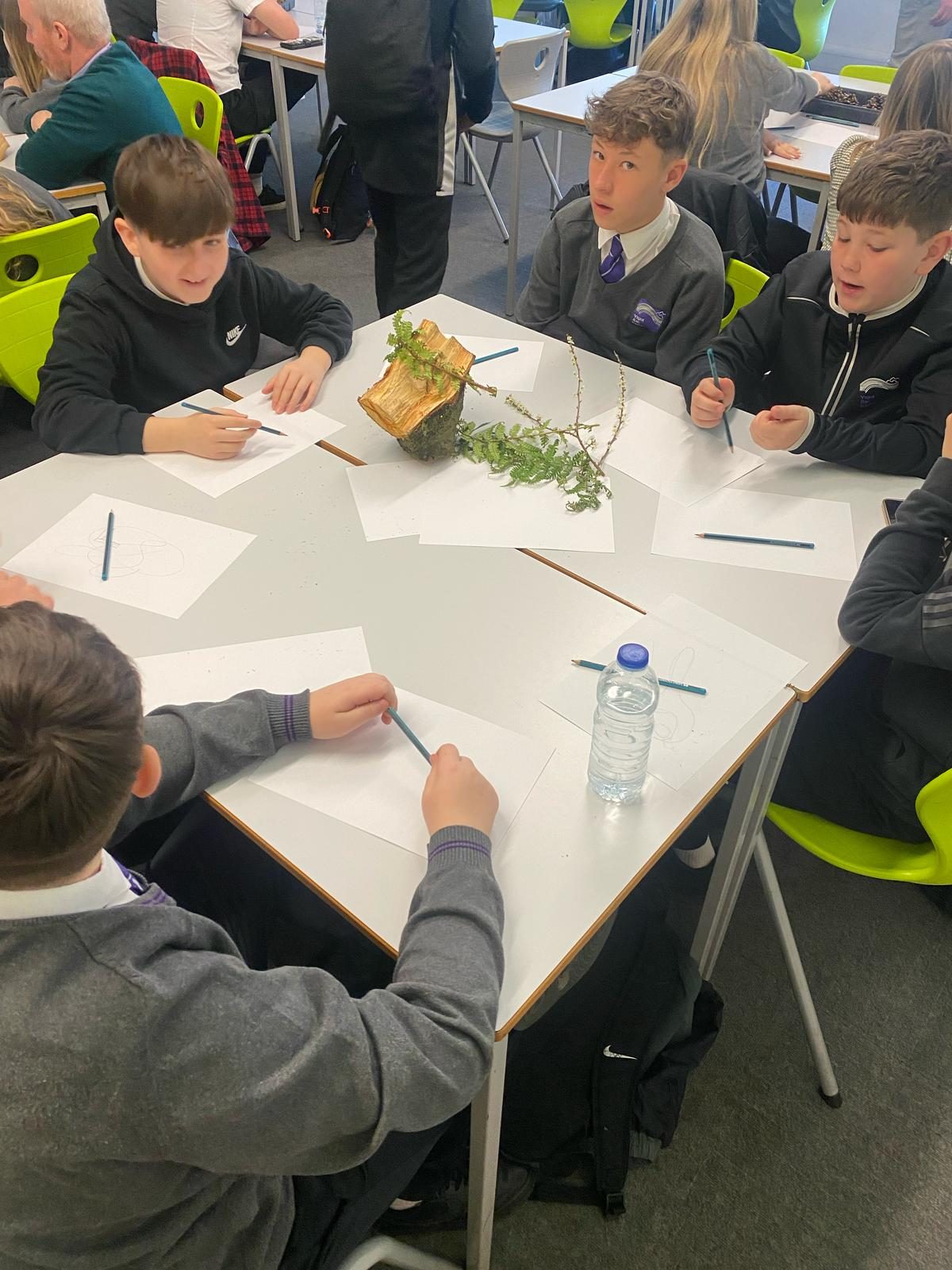
That is why work with schools in Wales should now sit at the centre of the nation’s skills response. The case is simple. Early engagement helps pupils understand how tree planting, forestry and timber use connect to climate action, housing, nature recovery and local jobs. It also allows schools to link careers to the subjects that pupils are already studying, including science, geography, design, maths and digital skills. Most importantly, it helps learners imagine themselves in these sectors before assumptions harden and options narrow. This is not a soft intervention around “raising awareness”; it is the first stage of developing the forest industry and sustainability professionals of the future.
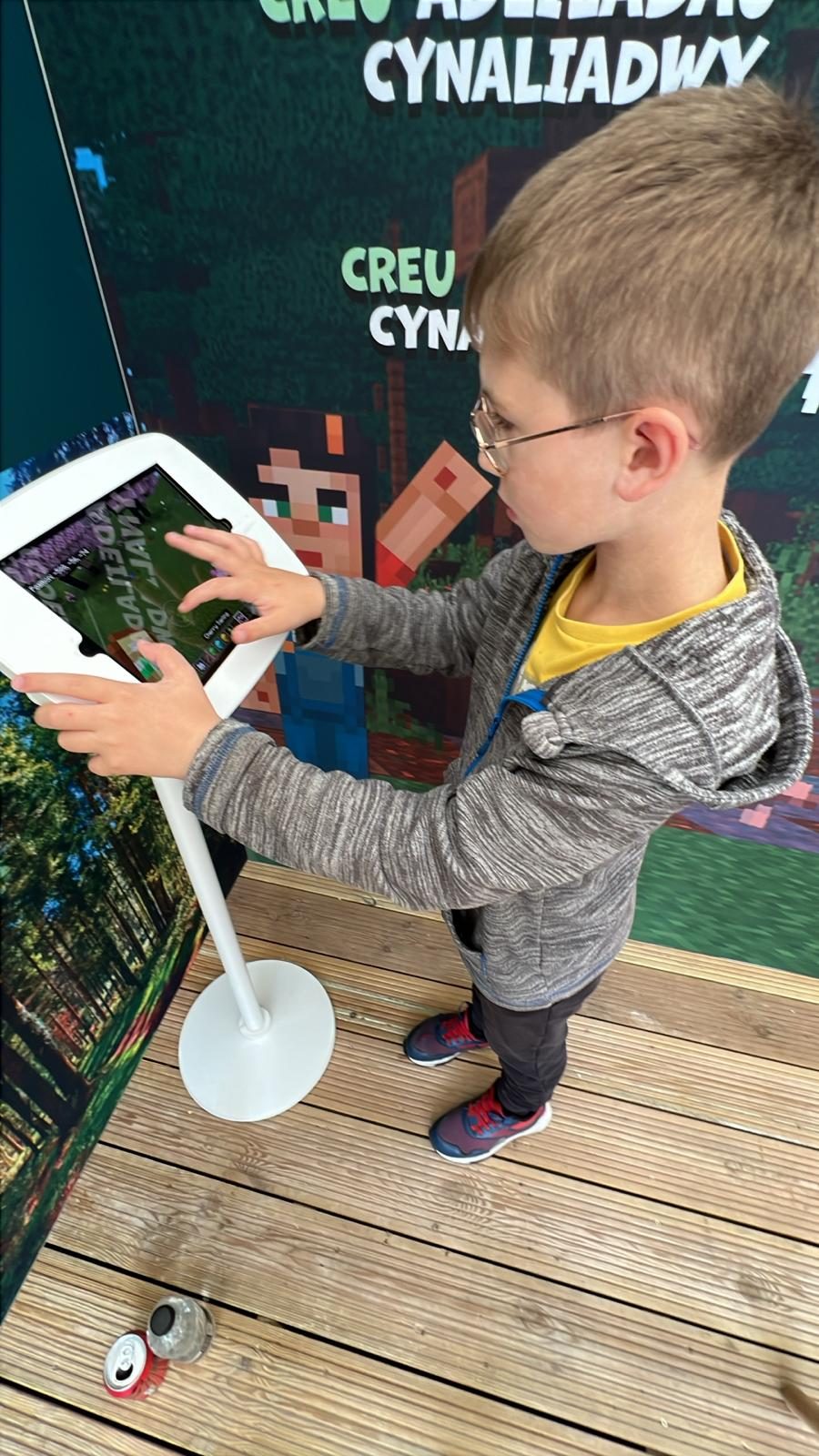
There are encouraging signs of what this could look like. One example is the use of Minecraft Education. As the platform is already available in Welsh schools through The Hwb, it offers a practical way to bring forestry, sustainability and timber construction into mainstream learning rather than treating them as add-ons. Woodknowledge Wales has developed Forest Nation World as a learning environment in which pupils can plan, design and grow forests, explore woodland systems and use timber resources to design sustainable buildings. The significance of this is not simply novelty. It gives young people an engaging, curriculum-linked way to understand how forests are grown and managed, how timber can be used responsibly, and how these processes can contribute to reducing carbon impacts in Wales.
This is relevant for employers and training providers because it shows how sector-specific inspiration can be built into existing educational structures. Teachers do not require entirely new infrastructure. They need accessible tools, lesson plans and trusted partners. Pupils can learn about carbon capture, biodiversity, land use, woodland design and sustainable construction through collaborative digital projects that also build creativity, teamwork and problem-solving. The same activity develops both sector awareness and the wider capabilities employers say they need.
Building progression routes from classroom to career
Woodknowledge Wales has also proposed a Forests for the Future school’s challenge which builds on that idea and could be developed further. This competition would invite schools across Wales to design community forests and woodlands within the Minecraft Education platform, moving from school-level entries to regional and national stages. It combines environmental literacy with practical imagination. Pupils would not just learn that tree planting is important; they would be asked to think about where forests should go, which community needs they serve, how land should be used, and what benefits woodlands provide in terms of biodiversity, carbon storage and local wellbeing. This reflects the type of systems thinking Wales needs if it is to meet ambitious planting and decarbonisation goals.
Schools are unlikely to succeed in isolation. A collaborative model is needed involving government, industry, local authorities, landowners and education partners. Welsh Government endorsement could align a national challenge with climate and tree planting targets, curriculum priorities and tree-planting ambitions. Forest industry organisations in Wales could sponsor regional activities, offer real-world briefs, provide mentors and create routes into placements or later training. Welsh local authorities and landowners could also help connect virtual designs to real planting opportunities including those aligned to the National Forest for Wales. This reflects a coordinated approach across the system, rather than relying on a single part to address the issue but creating meaningful careers from classroom curiosity to jobs.
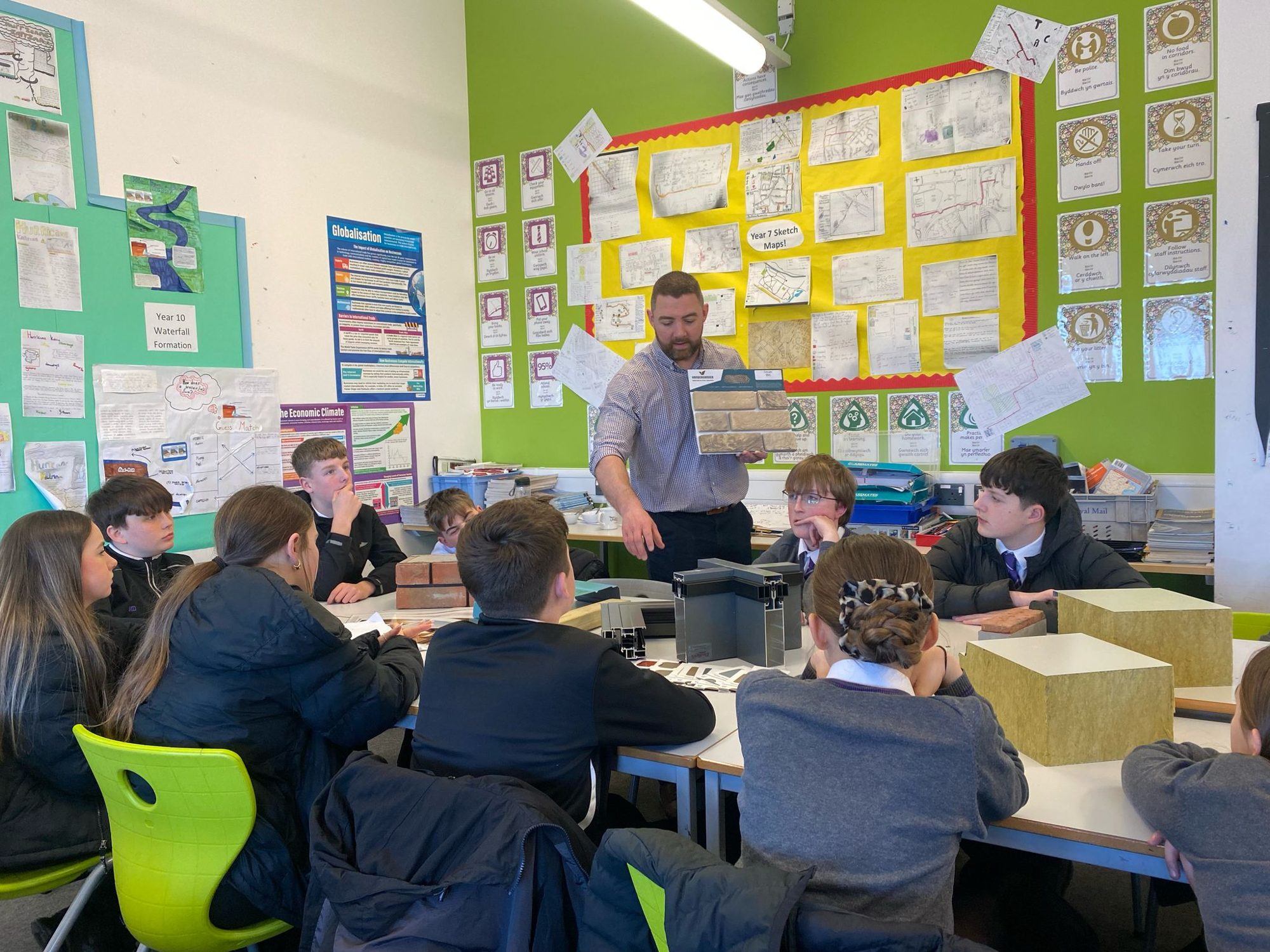
Schools operate more effectively where support is coordinated. Partnership with organisations such as Cymbrogi shows the value of programme-based, curriculum-linked interventions rather than one-off talks or isolated outreach events. Cymbrogi’s model combines real-world challenge briefs, teacher development, cross-sector partners and showcase events, all rooted in sustainability, systems thinking and creativity. This is relevant to tree planting and timber delivery. For employers seeking future recruits with an understanding of sustainability as well as safety, materials and practical delivery, then challenge-based school learning provides a strong foundation. It also helps teachers because the activity is designed to fit curriculum priorities rather than compete with them.
The development by Agored Cymru of new Welsh VCSE and work-related foundation qualifications in Built Environment and in Agriculture, Horticulture and Forestry is another positive step. These qualifications matter because they widen the lens. The built environment pathway now reflects a more modern sector, including sustainability, renewable materials, energy efficiency and future-focused construction roles. The agriculture, horticulture and forestry pathway embeds forestry through woodland creation and maintenance modules, tying learning to a specifically Welsh context of biodiversity, biosecurity and sustainable land management. This supports clearer progression from school into later study and work. It is important that Welsh pupils can see that their first exposure to these themes is the beginning of a route to a career in Wales.
For training providers and employers, the implication is evident. The skills challenge in Wales is unlikely to be addressed by focusing only on the point at which a young person is ready for a job. By that stage, the sector is already competing for a limited pool. Collective effort could instead focus on four priorities for Wales.
Position schools as the starting point for engaging young people to enter the sectors of the forest industries. Support for curriculum-linked programmes can show how forestry, tree planting, timber manufacturing and sustainable construction fit within future development in Wales.
Support teacher-friendly delivery models. Resources should be easy to use, aligned with Curriculum for Wales, and supported by CPD, external expertise and practical activities.
Strengthen links between inspiration and progression. School engagement should connect clearly to qualifications, placements, apprenticeships and careers. Young people should be able to understand progression routes.
Involve Welsh forest industry organisations earlier and more consistently. Industry input is often introduced at recruitment stage; earlier involvement would strengthen impact. It should shape challenges, provide role models, host visits, support teachers and help demonstrate the range and nature of roles within the sector.
This does not remove the need for reform and investment in further and higher education. Colleges and universities are under severe strain, with curriculum change, staffing pressures and financial instability which may limit how quickly they can respond. This context reinforces the case for greater attention to schools. Early inspiration and engagement are not a distraction from the wider skills agenda. They represent a practical way to strengthen it over time.
If Wales is to scale up tree planting and use more timber safely and effectively, this requires more than courses and qualifications. It requires a future workforce that recognises forests and timber as part of the nation’s development. This begins in schools, with practical experiences, real-world challenges and visible pathways into work. There is an opportunity for training providers, employers, government and education partners to work together and build that pipeline to help address current and future skills needs.
Read the skills report: https://woodknowledge.wales/skills-and-recruitment-report/
To provide the best experiences, we use technologies like cookies to store and/or access device information. Consenting to these technologies will allow us to process data such as browsing behavior or unique IDs on this site. Not consenting or withdrawing consent, may adversely affect certain features and functions.
Functional
Always active
The technical storage or access is strictly necessary for the legitimate purpose of enabling the use of a specific service explicitly requested by the subscriber or user, or for the sole purpose of carrying out the transmission of a communication over an electronic communications network.
Preferences
The technical storage or access is necessary for the legitimate purpose of storing preferences that are not requested by the subscriber or user.
Statistics
The technical storage or access that is used exclusively for statistical purposes.The technical storage or access that is used exclusively for anonymous statistical purposes. Without a subpoena, voluntary compliance on the part of your Internet Service Provider, or additional records from a third party, information stored or retrieved for this purpose alone cannot usually be used to identify you.
Marketing
The technical storage or access is required to create user profiles to send advertising, or to track the user on a website or across several websites for similar marketing purposes.