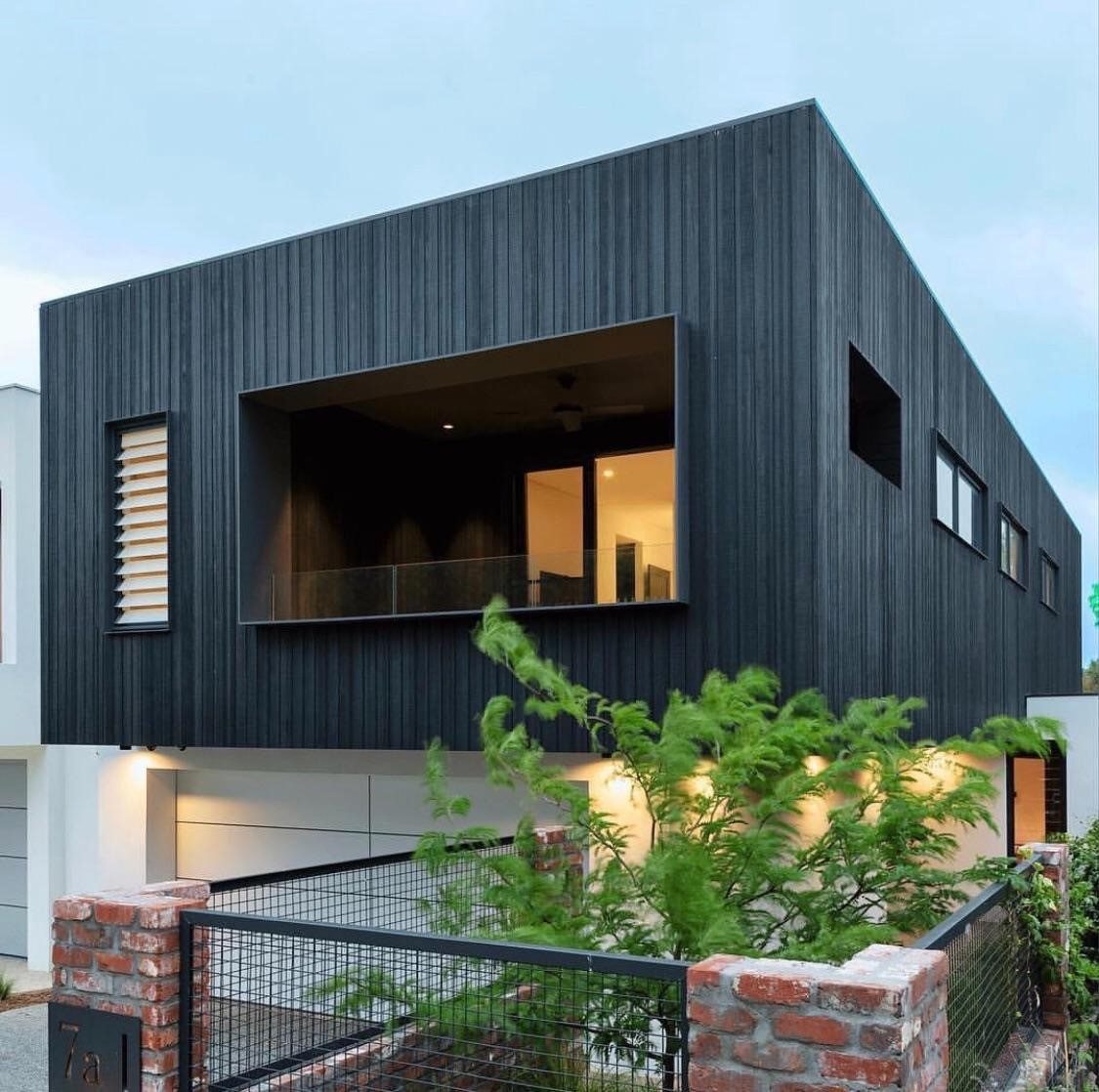
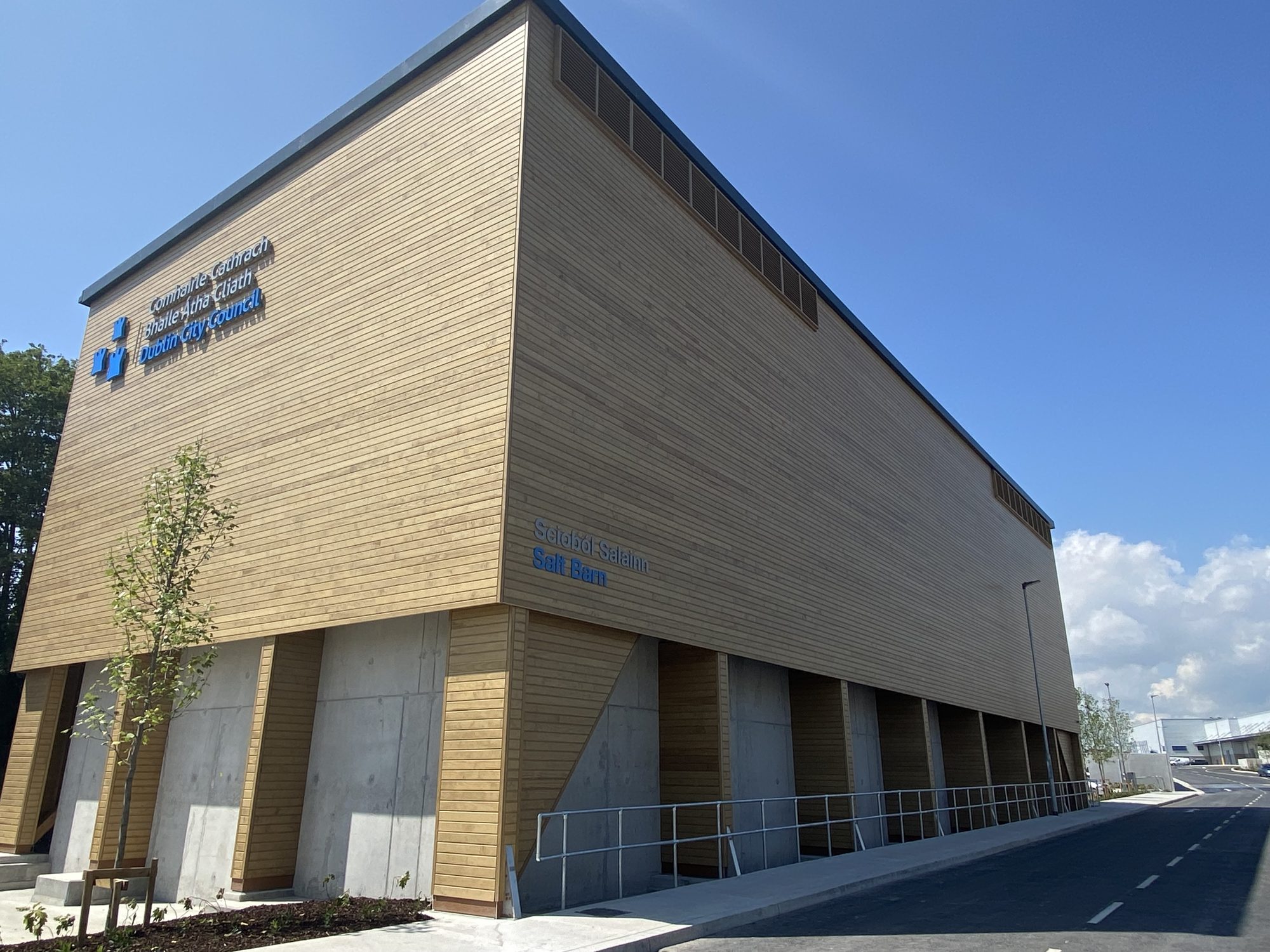
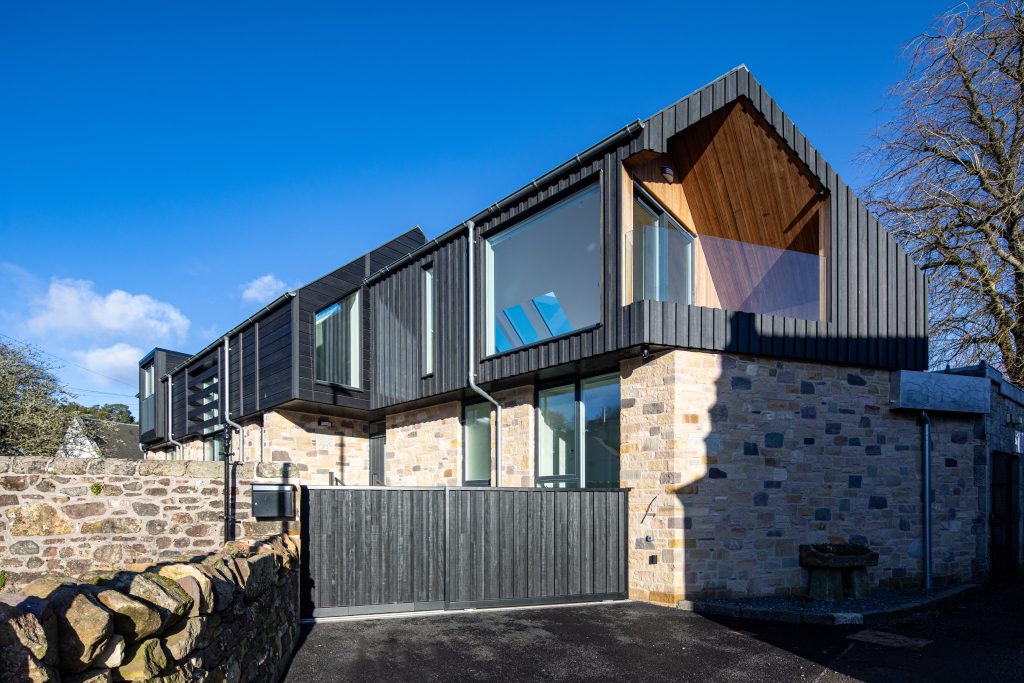
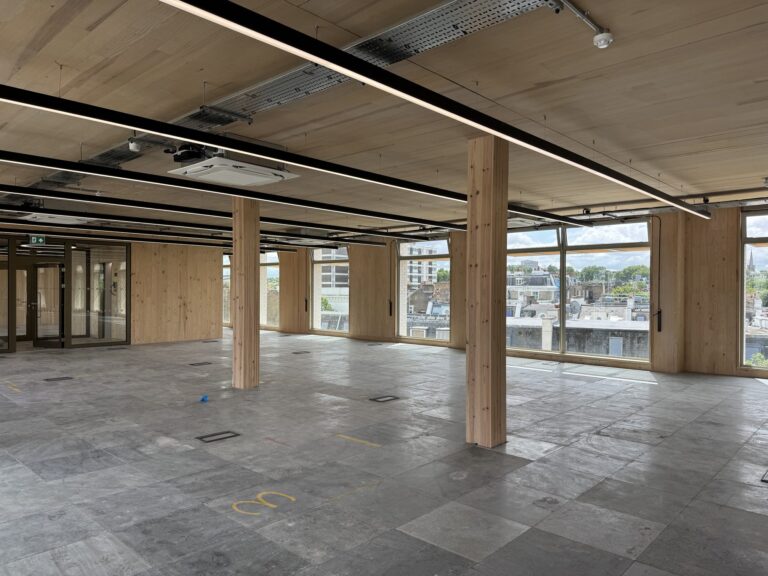
A key contributor to this effort is Woodknowledge Wales (WKW), whose deep commitment to building a sustainable, low-carbon future has shaped both the content and direction of this Yearbook. Led by Sarah Lawton, an editor and communicator working to connect the timber industry with the wider climate, land-use and design agenda, the WKW team has played a central role in curating the insights, case studies, and technical contributions you'll find in these pages.
Janet Sycamore explains how timber durability depends on the correct combination of species selection, preservative treatment, coatings and detailing to support long service life in exterior applications.
Timber is a naturally durable and versatile building material, but like all materials used outdoors it must be specified and protected appropriately.
The long-term performance of timber products such as decking and cladding depends on a combination of factors, including species selection, preservative treatment where necessary, protective coatings where desired, and correct installation. When these elements are considered together, timber can achieve service lives measured in decades.
For specifiers, installers and clients alike, understanding the role of coatings, treatments and durability is key to ensuring timber performs as intended.
Natural durability: timber’s built-in protection
Some timber species naturally resist decay without the need for preservative treatment. This is known as natural durability.
Natural durability refers to the ability of a timber’s heartwood to resist fungal decay and biological attack. Under BS EN 350, species are classified from Durability Class 1 (very durable) to Class 5 (not durable).
Timbers commonly used in exterior construction that offer good natural durability include Western Red Cedar, Sweet Chestnut, Cumaru and other dense tropical hardwoods. These timbers contain natural extractives that inhibit fungal growth and improve resistance to moisture-related decay.
However, durability ratings apply only to the heartwood of the timber. The sapwood of most species is non-durable and may require removal or protection depending on the timber species in question.
Naturally durable timbers are often chosen where long service life, minimal treatment and natural weathering aesthetics are desired. Timber modification technologies provide another route to improved durability and stability.
Modified timber: enhancing performance
Modified woods are produced by altering the timber’s structure through thermal or chemical processes, improving resistance to moisture and biological attack. These processes can significantly increase durability, sometimes achieving Durability Class 1 performance.
Examples include:
Accoya® – acetylated wood with exceptional dimensional stability
ThermoWood® and Abodo ® – thermally modified using steam and high temperatures in excess of 190 degrees Celsius
Modification processes can also improve other key properties such as dimensional stability and coating performance.
Preservative treatment for exterior timber
Many commonly used softwoods are not sufficiently durable to provide long service lives particularly when used externally. However, they can perform very successfully outdoors when correctly treated with an appropriate wood preservative.
For external use, high processes are used to ensure the wood preservative penetrates the wood to levels set in a national standard. This process protects the timber against fungal decay and insect attack.
Treatment requirements are defined through the Use Class system, which categorises timber according to the conditions it will experience.
The classes that apply to external use are:
Use Class 3 – timber used outdoors above ground, such as decking boards and cladding
Use Class 4 – timber in ground contact or permanently wet conditions, such as deck posts or structural supports
Treatment specifications are also linked to desired service life, commonly 15 or 30 years depending on the application.
Industrial timber preservation
Many timber products available today have already been factory-treated using industrial pressure processes.
In this process, timber is first kiln-dried before being placed in a pressure vessel (autoclave). A vacuum and pressure cycle forces preservative deep into the timber cells, providing protection against fungal decay and insect attack.
The preservatives for outdoor use are copper-organic formulations, which give timber a subtle green or brown tone that gradually weathers to silver-grey over time.
It is important to note that brush-applied or dip treatments are not equivalent to pressure treatment and should not be relied upon as the primary protection for exterior timber applications.
For specifiers and buyers, a key step is confirming with your supplier the Use Class and service life specification of treated timber.
The role of coatings and finishes
A high-quality coating, appropriate to end use, enhances both the performance and appearance of timber cladding. It provides a wide range of aesthetic finishes while helping to protect the timber from environmental exposure. Coatings improve water repellence and protect against moisture ingress, which can minimise movement in the timber such as splitting, fissuring and distortion. They also help slow biological degradation and improve resistance to UV weathering and chemical damage caused by cleaning or environmental exposure, supporting the long-term durability of the cladding.
Factory application would be the preferred application method as it ensures consistent and measured coverage, even film thickness and coats all board faces resulting in superior and longer-lasting protection.
Where colour retention or additional UV protection is required, several finishing options are available:
Translucent stains: enhance the natural grain while providing moderate UV protection.
Pigmented coatings or paints: offer strong colour consistency and longer maintenance intervals.
Penetrating oils: enhance appearance while allowing the timber to breathe, though they generally require more regular reapplication.
In most cases, breathable, -permeable systems are preferred, as film-forming coatings can trap moisture and eventually peel if not maintained correctly.
Designing for long service life
Material durability alone does not guarantee long service life. Design and installation play an equally important role.
Key design principles include:
Providing adequate ventilation behind cladding
Avoiding water traps
Protecting exposed end grain
Using appropriate fixings and fasteners
Ensuring drainage and airflow beneath decking
Timber is a hygroscopic material, meaning it naturally absorbs and releases moisture. Good detailing allows this process to occur efficiently without causing distortion or trapped moisture.
A balanced approach to durability
Timber has been used successfully in outdoor construction for centuries, and modern technology has expanded the range of solutions available.
Today, specifiers can choose from:
Naturally durable hardwoods and softwoods
Modified timbers with enhanced performance
Pressure-treated softwoods for cost-effective durability
Each option can deliver long service life when matched to the correct application.
When specified and detailed correctly, timber decking and cladding can provide durable, long-lasting solutions for exterior applications.
To support the timber cladding and decking market, the TDCA in partnership with TDUK launched the Timber Cladding and Timber Decking Handbooks. These resources provide clear information for specifiers, buyers and installers, covering material selection, design, installation and regulatory compliance. Covering material selection, design, installation and regulation compliance.
To provide the best experiences, we use technologies like cookies to store and/or access device information. Consenting to these technologies will allow us to process data such as browsing behavior or unique IDs on this site. Not consenting or withdrawing consent, may adversely affect certain features and functions.
Functional
Always active
The technical storage or access is strictly necessary for the legitimate purpose of enabling the use of a specific service explicitly requested by the subscriber or user, or for the sole purpose of carrying out the transmission of a communication over an electronic communications network.
Preferences
The technical storage or access is necessary for the legitimate purpose of storing preferences that are not requested by the subscriber or user.
Statistics
The technical storage or access that is used exclusively for statistical purposes.The technical storage or access that is used exclusively for anonymous statistical purposes. Without a subpoena, voluntary compliance on the part of your Internet Service Provider, or additional records from a third party, information stored or retrieved for this purpose alone cannot usually be used to identify you.
Marketing
The technical storage or access is required to create user profiles to send advertising, or to track the user on a website or across several websites for similar marketing purposes.