A key contributor to this effort is Woodknowledge Wales (WKW), whose deep commitment to building a sustainable, low-carbon future has shaped both the content and direction of this Yearbook. Led by Sarah Lawton, an editor and communicator working to connect the timber industry with the wider climate, land-use and design agenda, the WKW team has played a central role in curating the insights, case studies, and technical contributions you'll find in these pages.
As demand grows for low-carbon housing, new research highlights timber’s untapped potential. Helen Hewitt discusses the urgent need to challenge outdated myths in both housebuilding and homeownership.
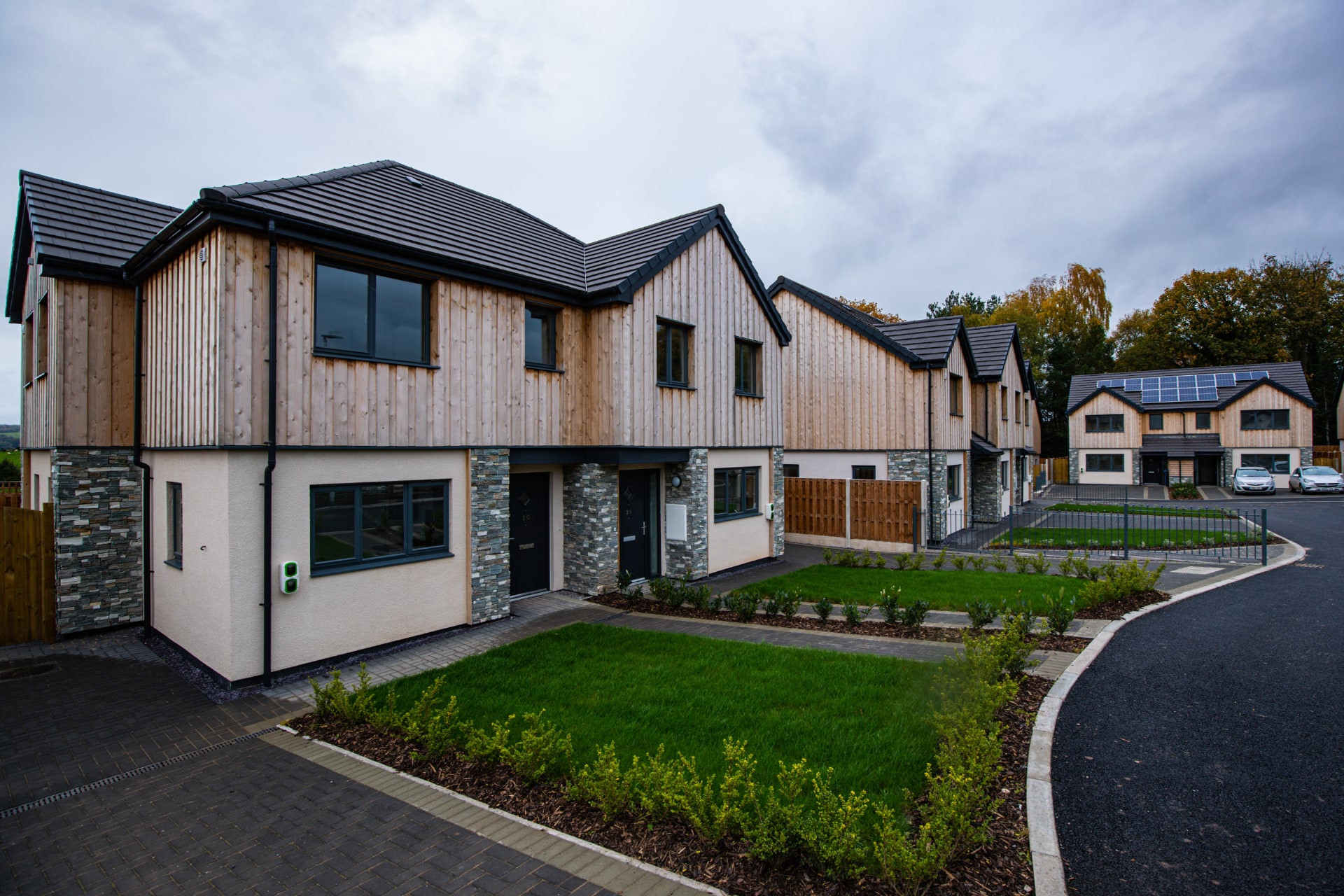
Llanbedr site, Williams Homes, Bala. Photo: Williams Homes
“Housebuilders want measurable, credible, and transparent sustainability data. Timber, with its inherent renewability and carbon-storing capabilities, is in a strong position to fill this need but as an industry, we need to be able to provide the right documentation and evidence.”
With the Government’s ambitious housing targets and the construction industry’s move toward its net zero future, there has never been a more important time to reassess the materials used to build and renovate homes.
Timber, with its aesthetic appeal, low-carbon footprint, and renewable credentials, is ideally placed to meet this challenge. Yet, despite its proven advantages, timber continues to be overlooked in key areas of the housing sector, particularly in the specification of windows and doors.
Understanding the current landscape
To better understand the current landscape, the British Woodworking Federation (BWF) undertook research into the attitudes and priorities of two vital groups: those with specification responsibility at UK housebuilders, and homeowners. Drawing on responses from 150 housebuilding professionals and 1,000 homeowners, the findings offer compelling insight into the opportunities that lie ahead for the woodworking and joinery manufacture sector.
Housebuilder priorities: performance, proof and practicality
UK housebuilders are under increasing pressure to quickly deliver homes that perform better environmentally, comply with evolving regulations, and meet evolving buyer expectations.
It’s therefore no surprise that energy efficiency and cost top the list of specification drivers for windows, with 33% citing each as the primary influence. Doors, meanwhile, are most influenced by aesthetic appeal (34%) which is potentially a reflection of their kerbside visibility. For garden buildings, canopies and stairs cost again tops the priority list followed by a mix of safety credentials, aesthetic appeal and lifespan.
Our latest data also found that positively timber is already well embedded in certain aspects of housebuilding. It is the dominant material for staircases (67%) and garden buildings (59%) and specified “often or always” for windows and doors by 65% of housebuilders.
Misconceptions
Yet, where timber isn’t specified, the reasons shared for not using the material include lack of consumer demand, concerns about product availability, aesthetic fit and future maintenance needs.
These perceptions are largely based on outdated assumptions. For instance, the perception that timber windows require excessive maintenance, when today’s modern coatings and finishes can extend product lifespans beyond 50 years with minimal upkeep.
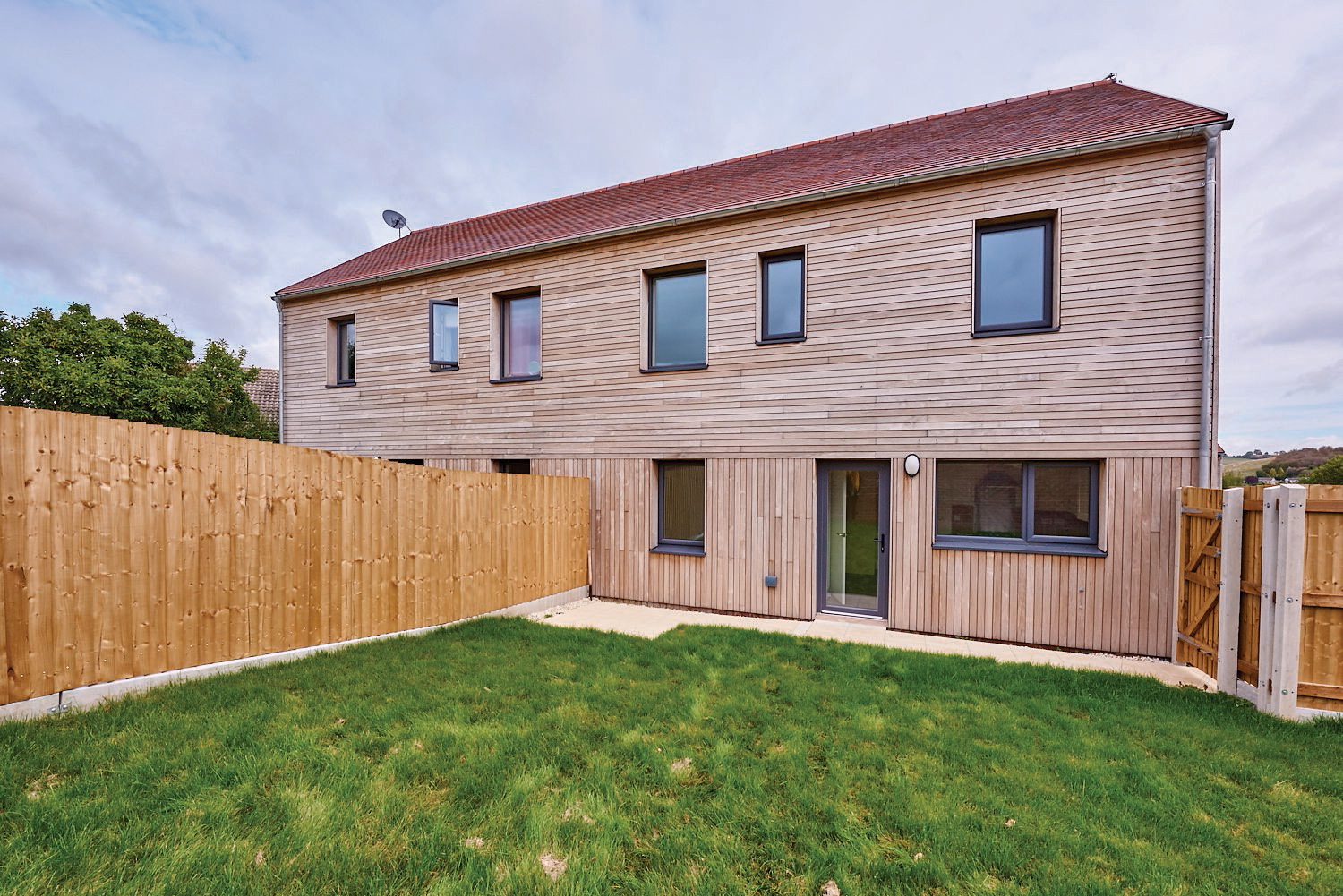
Photo: Williams Homes
Specification is a trust decision
When digging deeper into the factors shaping specification, they become more focused, driven by sustainability expectations which are becoming more sophisticated. Environmental Product Declarations (EPDs) – both generic and product-specific – are now the most valued form of proof, especially for high-investment areas like windows and doors. Housebuilders want measurable, credible, and transparent sustainability data. Timber, with its inherent renewability and carbon-storing capabilities, is in a strong position to fill this need but as an industry, we need to be able to provide the right documentation and evidence.
Beyond performance metrics, trust and assurance continue to play a pivotal role in procurement. Membership of specialist schemes, such as the BWF Fire Door Alliance and the BWF Stair Scheme, along with membership of trade associations, such as the British Woodworking Federation, were cited as key factors by housebuilders when selecting suppliers. This clearly demonstrates the growing importance of visible credentials and third-party verification in a compliance and quality-focused market.
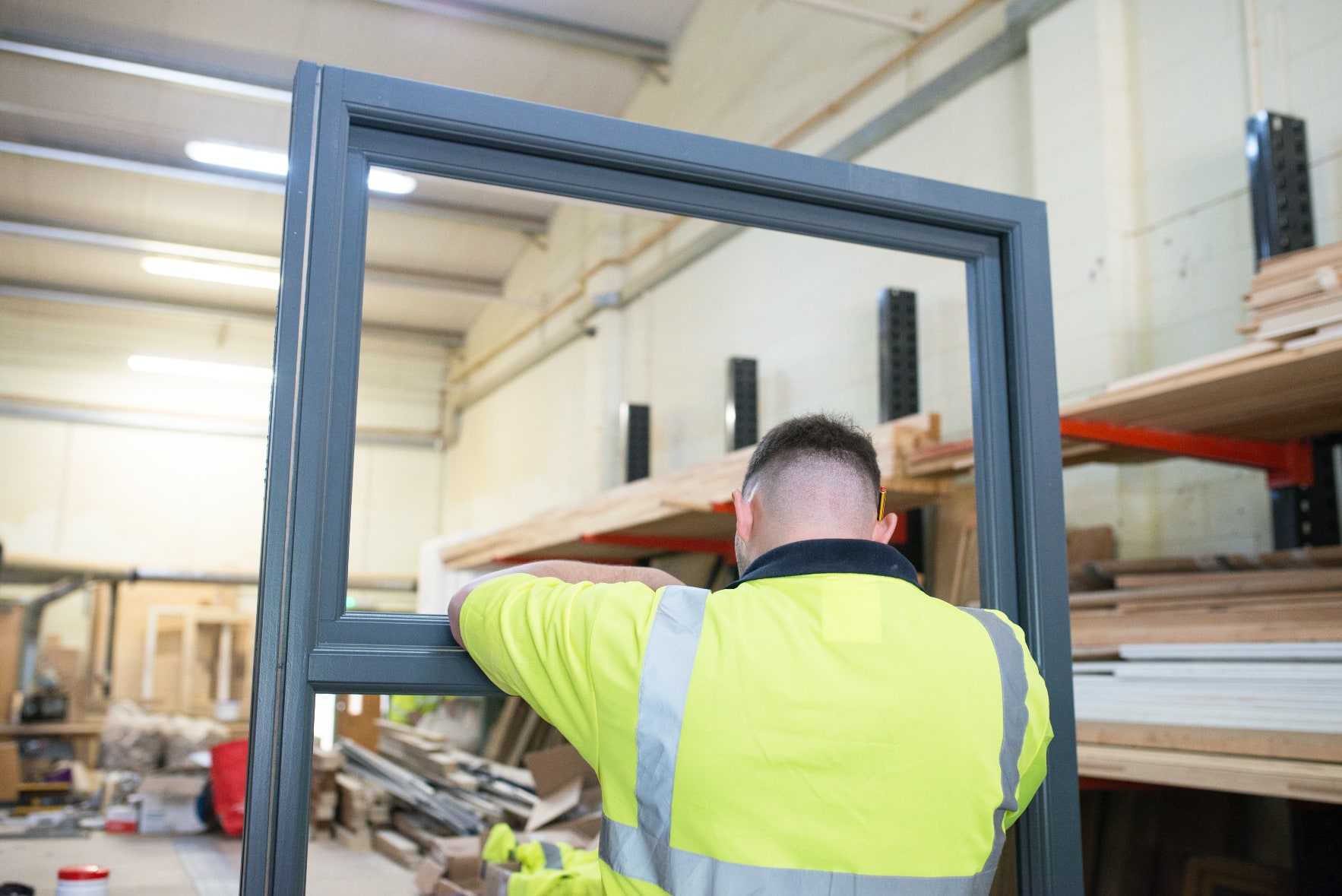
Photo: Williams Homes
The homeowner perspective: appearance and assurance
The homeowner picture is equally enlightening. While initial cost remains a consideration (90%), it is not the only lens through which value is judged. Homeowners overwhelmingly value aesthetics (91%), durability (92%), and safety (91%) when choosing products for the home.
Similar misconceptions of timber, however, also shape the homeowners view of the material. For example, when considering timber windows, 63% of homeowners believe alternative materials have better sustainable credentials, while 86% believe alternatives offer better energy efficiency performance (u-values). Added to this 86% believe alternatives offer ease of maintenance and 88% think they offer a longer lifespan.
This mismatch reveals a clear educational opportunity. In truth, modern timber windows and doors offer exceptional thermal performance, can match or exceed alternatives in lifespan, and provide the reduced maintenance needs as well as aesthetic flexibility that many homeowners seek. Timber’s ability to be repaired, repainted, and refreshed also means it delivers lasting value and reduces waste.
These are key selling points in an increasingly sustainable and cost-driven market, but the timber message is not cutting through these deeply rooted myths.
Sustainability: a priority, not yet a decider
When focusing in on sustainability, it becomes clear that it is not yet a key influence when it comes to decision making. However, our latest data shows that this is likely due to a lack of knowledge and understanding of how to choose a sustainable product.
To do this we need to come together as one to:
1. Champion proof, not just performance
EPDs, lifecycle analysis, and recognised certifications must become standard practice to provide robust proof of performance.
2. Educate across all channels
Whether through digital content, showrooms, or direct engagement with specifiers and homeowners, we need to highlight timber’s real-world benefits: strength, longevity, sustainability and aesthetic flexibility.
3. Position timber as the modern solution
Too often still seen as the ‘heritage choice’, timber needs to be reframed as a future-facing material that suits all homes and not just for conservation areas or luxury properties.
4. Elevate awareness of relevant accreditations and memberships
The importance of trade memberships and accreditations has been made clear. By spotlighting the robust standards required by leading schemes and associations, we reinforce the skills, quality, and accountability needed to be part of reputable industry bodies and in turn build credibility for the both the associations and its members.
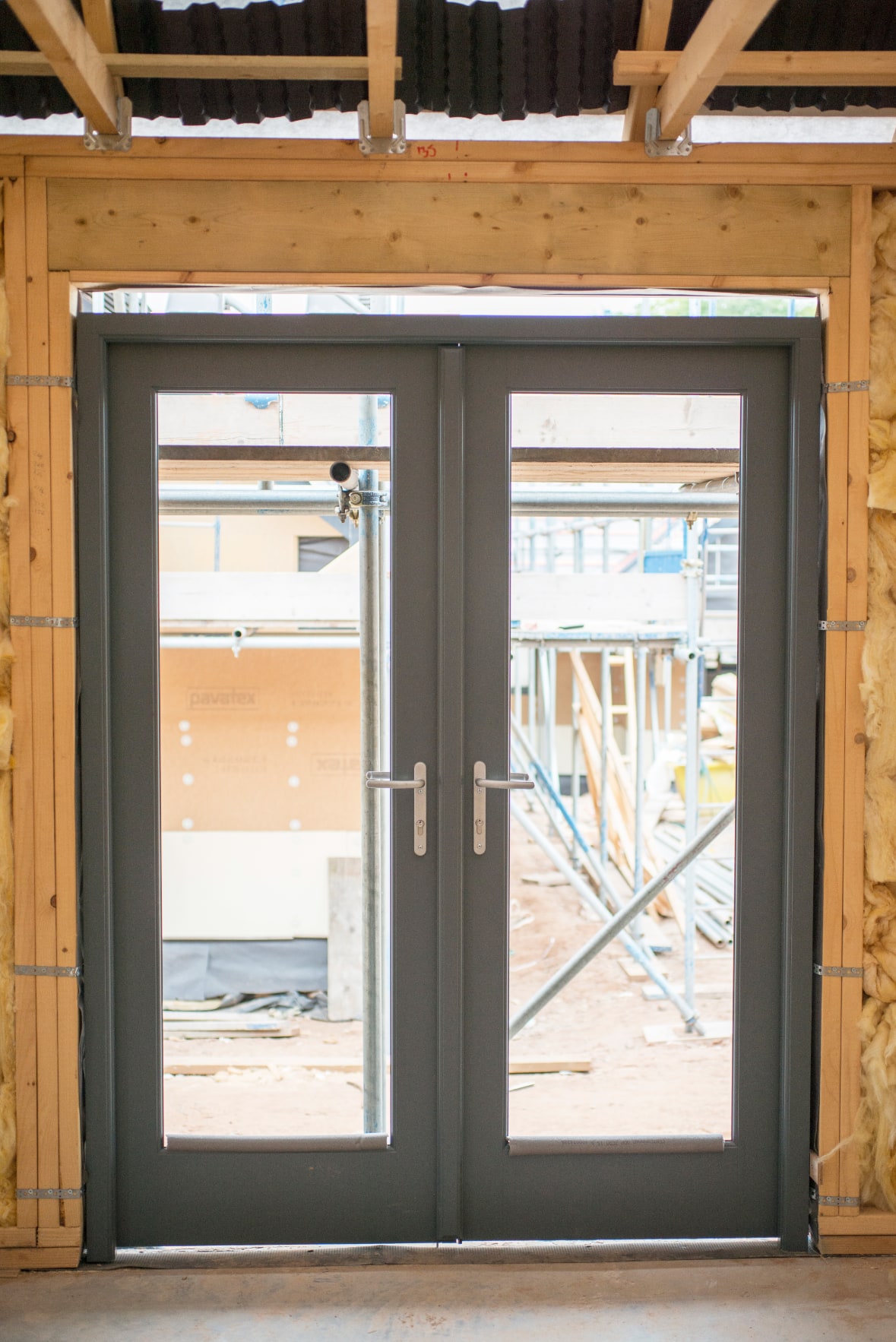
Photo: Richard Kiely 2018
As while 77% ranked environmental impact as a top consideration when choosing wooden fixtures, 41% admitted they don’t know which materials are most sustainable. Added to this, a third believe sustainable options are too expensive, and 26% don’t know what sustainability credentials or markers to look for.
This presents a significant opportunity for our sector to not only champion the sustainable credentials of timber and help educate homeowners, but to also to dispel existing myths such as those around expense.
By clearly communicating the evidence-based sustainable benefits of timber, and highlighting recognisable certifications, such as Forest Stewardship Council (FSC) or Programme for the Endorsement of Forest Certification (PEFC) certification, we can elevate the profile of timber in the minds of homeowners.
Maximising the opportunity for growth
The findings of this year’s report send a clear message to the timber industry: we must tackle outdated perceptions head-on, through clear evidence, education, and messaging.
“Timber is ready to meet the challenge of net zero—now it’s up to us to prove its value and correct the misconceptions.”
A time to act
As housebuilders seek solutions that meet the latest regulations and standards, and homeowners are looking toward environmentally friendly, low-maintenance materials, timber is positioned for growth. But unless we correct the perception gap, timber will not reach its full potential.
It’s time to bust the myths, prove the performance and put timber at the heart of low-carbon homes by encouraging housebuilders and homeowners to Build It Better with Wood. The opportunity for growth is real and now we must act together to secure it.
To provide the best experiences, we use technologies like cookies to store and/or access device information. Consenting to these technologies will allow us to process data such as browsing behavior or unique IDs on this site. Not consenting or withdrawing consent, may adversely affect certain features and functions.
Functional
Always active
The technical storage or access is strictly necessary for the legitimate purpose of enabling the use of a specific service explicitly requested by the subscriber or user, or for the sole purpose of carrying out the transmission of a communication over an electronic communications network.
Preferences
The technical storage or access is necessary for the legitimate purpose of storing preferences that are not requested by the subscriber or user.
Statistics
The technical storage or access that is used exclusively for statistical purposes.The technical storage or access that is used exclusively for anonymous statistical purposes. Without a subpoena, voluntary compliance on the part of your Internet Service Provider, or additional records from a third party, information stored or retrieved for this purpose alone cannot usually be used to identify you.
Marketing
The technical storage or access is required to create user profiles to send advertising, or to track the user on a website or across several websites for similar marketing purposes.