A key contributor to this effort is Woodknowledge Wales (WKW), whose deep commitment to building a sustainable, low-carbon future has shaped both the content and direction of this Yearbook. Led by Sarah Lawton, an editor and communicator working to connect the timber industry with the wider climate, land-use and design agenda, the WKW team has played a central role in curating the insights, case studies, and technical contributions you'll find in these pages.
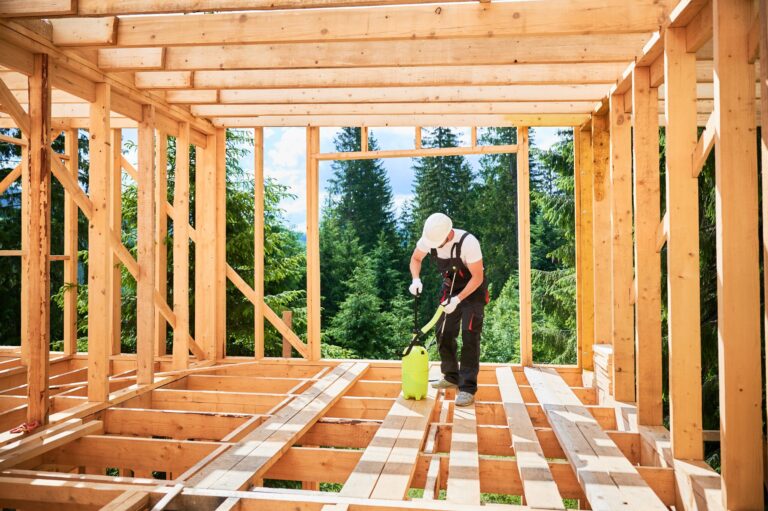
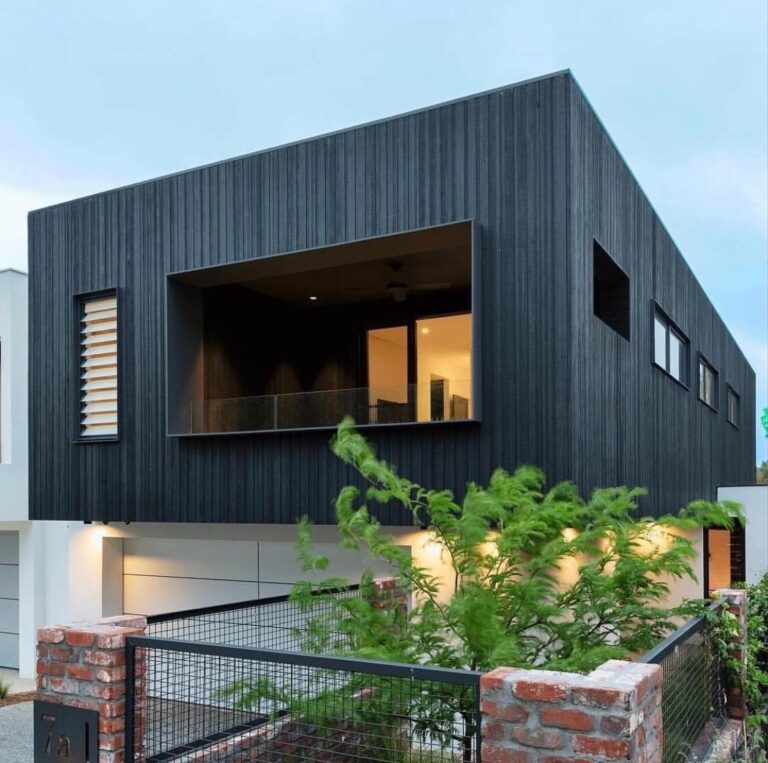
Timber has long played a critical role in sustainable construction. Now, it is beginning to receive stronger recognition at the policy level, with formal government frameworks designed to expand its use across the built environment.
The UK Government has set out a clear intent to increase the use of timber in construction as part of a wider effort to reduce embodied carbon, promote sustainable materials, and support domestic forestry and manufacturing industries. This is a welcome move that aligns policy direction with what progressive parts of the construction sector have already been doing for years.
At the heart of this policy evolution is a recognition that timber—when sourced responsibly and used with technical rigour—can help meet net zero goals, support jobs in rural economies, and contribute to a more circular and regenerative construction industry.
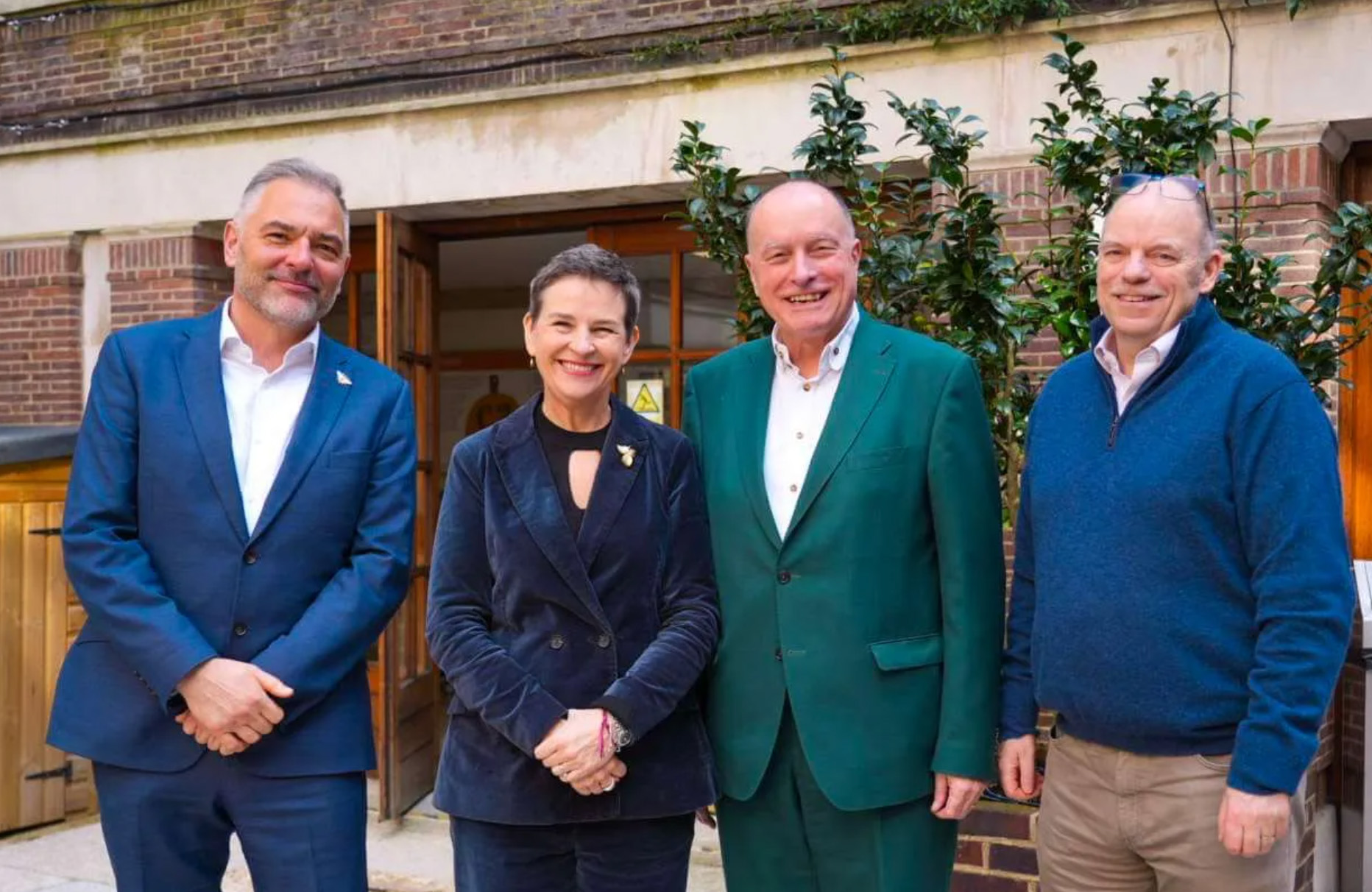
Ambitious new plans to increase the use of timber in construction were announced by Environment Minister Mary Creagh at the Timber in Construction Summit in London Photo TDUK
Strategic alignment: timber in construction roadmap
A key milestone in this journey is the development of the Timber in Construction (TiC) Roadmap1 , produced by the Department for Environment, Food & Rural Affairs (DEFRA) in collaboration with the Department for Levelling Up, Housing and Communities (DLUHC), the Forestry Commission, and industry stakeholders. The Roadmap outlines government- supported actions to:
Increase timber’s market share in appropriate building types
Enhance technical guidance and performance understanding
Build UK supply chain resilience
Improve skills and training across the construction sector
Align regulatory and planning processes to reflect timber’s potential
The Roadmap builds on extensive industry consultation and evidences a shift from viewing timber as niche, to seeing it as a scalable, mainstream material for modern construction
TDUK’s role: technical foundations and advocacy
At Timber Development UK (TDUK), we have long advocated for timber’s technical credibility and environmental performance to be acknowledged in policy frameworks. Through our partnerships, we have contributed data, case studies, and analysis to support the government’s work on the Roadmap and related initiatives.
We continue to:
Develop free-to-access technical resources that help specifiers, contractors, and manufacturers integrate timber safely and effectively.
Promote education and upskilling, whether in-person CPDs, online learning on our new and improved Wood Campus, or our designTimber webinars.
Work with regulators and policymakers to ensure timber is fairly represented in standards and guidance, especially in areas like fire safety, moisture performance, and whole-life carbon.
Champion responsible sourcing and transparency, through our industry leading Responsible Purchasing Policy system, and supporting assurance schemes like Grown in Britain along with FSC/PEFC certification.
Our industry is ready to scale. But that growth must be built on robust understanding—not marketing hype or untested assumptions.
A time for joined-up thinking
Government support is an important step. But policy alone cannot deliver the transformation our industry needs. Timber’s increased use must be supported by:
Better design-stage decision-making
Open collaboration across disciplines
Consistent supply of home-grown timber
Investment in processing and R&D
Transparent lifecycle analysis and specification tools
Encouragingly, we are seeing this alignment emerge—through programmes like Innovate UK’s Net Zero Built Environment Mission, the Welsh Government’s Timber Industrial Strategy, and industry-led projects such as the Whole Life Carbon Standard and Reuse Readiness frameworks.
Moving forward with clarity and care
The construction sector stands at a turning point. If we are to shift toward regenerative practices, natural materials like timber must be at the centre—not as a token gesture, but as part of an integrated, technically credible system.
Our role as an industry is to ensure that timber is not only seen as a low-carbon material—but also as a reliable, resilient, and responsibly deployed one. This means focusing on knowledge, not noise. It means working across professions,
Photo: Woodknowledge Wales
sectors, and policy domains to ensure timber thrives in practice—not just in principle.
At TDUK, we remain committed to supporting this transition— through research, resources, and shared understanding.
To provide the best experiences, we use technologies like cookies to store and/or access device information. Consenting to these technologies will allow us to process data such as browsing behavior or unique IDs on this site. Not consenting or withdrawing consent, may adversely affect certain features and functions.
Functional
Always active
The technical storage or access is strictly necessary for the legitimate purpose of enabling the use of a specific service explicitly requested by the subscriber or user, or for the sole purpose of carrying out the transmission of a communication over an electronic communications network.
Preferences
The technical storage or access is necessary for the legitimate purpose of storing preferences that are not requested by the subscriber or user.
Statistics
The technical storage or access that is used exclusively for statistical purposes.The technical storage or access that is used exclusively for anonymous statistical purposes. Without a subpoena, voluntary compliance on the part of your Internet Service Provider, or additional records from a third party, information stored or retrieved for this purpose alone cannot usually be used to identify you.
Marketing
The technical storage or access is required to create user profiles to send advertising, or to track the user on a website or across several websites for similar marketing purposes.