A key contributor to this effort is Woodknowledge Wales (WKW), whose deep commitment to building a sustainable, low-carbon future has shaped both the content and direction of this Yearbook. Led by Sarah Lawton, an editor and communicator working to connect the timber industry with the wider climate, land-use and design agenda, the WKW team has played a central role in curating the insights, case studies, and technical contributions you'll find in these pages.
Landscapes of change: natural capital, land use and the future of woodland creation
Dr Kate Palmer
Confederation of Forest Industries (UK) Ltd (Confor
Woodland creation is central to UK land use, balancing climate goals, biodiversity, and rural livelihoods. Kate Palmer explores how policy, natural capital, and market innovation reshape the landscape for a resilient future.
As 2025 unfolds, the UK faces a pivotal juncture in land use and natural capital policy. Competing demands—securing future timber supply, meeting net zero targets, halting biodiversity loss, ensuring food security, and sustaining rural economies— are reshaping how we value and manage land.
Woodland creation sits at the heart of this transformation, recognised not only as a vital carbon sink but also as a reservoir of biodiversity and a long-term economic asset. With major policy shifts underway – such as England’s ELMs, Wales’s Sustainable Farming Scheme, and Scotland’s Agri- Environment Scheme – the role of multifunctional woodlands in a resilient green economy has never been clearer.
Policy landscape and strategic direction
The UK’s policy framework for woodland creation is increasingly ambitious, with each devolved nation setting its own strategic direction. England’s Environmental Improvement Plan1 , Scotland’s Forestry Strategy 2019– 20292 , Wales’s Woodlands for Wales 3 initiative, and Northern Ireland’s Forests for the Future4 program all aim to expand tree cover and enhance ecosystem services. Despite a shared UK-wide target of 30,000 hectares of new woodland per year5 , progress is mixed. Scotland consistently leads on planting rates, while England and Wales face delivery challenges linked to land availability, planning and approval processes, and capacity within the sector.
Funding and incentives remain a key area of uncertainty. England’s Environmental Land Management (ELM) schemes have experienced delays and shifting eligibility criteria, affecting landowner confidence. Wales is transitioning to its Sustainable Farming Scheme, aiming to integrate woodland creation into broader land stewardship, though details remain in flux. Scotland’s Forestry Grant Scheme is struggling to keep pace with rising costs and pressure on public funding. Divergent policy approaches across the UK highlight the need for greater coherence and long-term certainty to scale woodland creation and realise natural capital ambitions.
Natural capital accounting: measuring value beyond timber
Woodlands are no longer valued solely for the timber they produce. A new era of land management is emerging, driven by natural capital accounting – where ecosystems that historically had limited economic value are assessed for the full range of services they provide, from carbon sequestration and water regulation to biodiversity, recreation, and air quality. This shift is reshaping investment priorities and landowner strategies across the UK.
Carbon and biodiversity markets are creating new revenue streams, but they also introduce complexities. Ensuring permanence, avoiding double-counting, and achieving credible verification are ongoing challenges. As these frameworks mature, they are influencing woodland creation at scale, guiding where and how new planting occurs.
For landowners, understanding these evolving metrics is crucial – not only to unlock new funding mechanisms but to ensure their land-use decisions support long-term environmental and economic resilience. The landscape is changing – both in how land is managed and how we value it.
Land use pressures and trade-offs
Land use across the devolved nations is increasingly shaped by a complex interplay of priorities – from timber and food production to housing, biodiversity, and renewable energy. Woodland creation, while vital for growing timber for houses, fencing, biomass, as well as sequestering carbon and enhancing ecosystem resilience, must navigate these competing demands. The principle of “the right tree in the right place for the right reason” has never been more relevant.
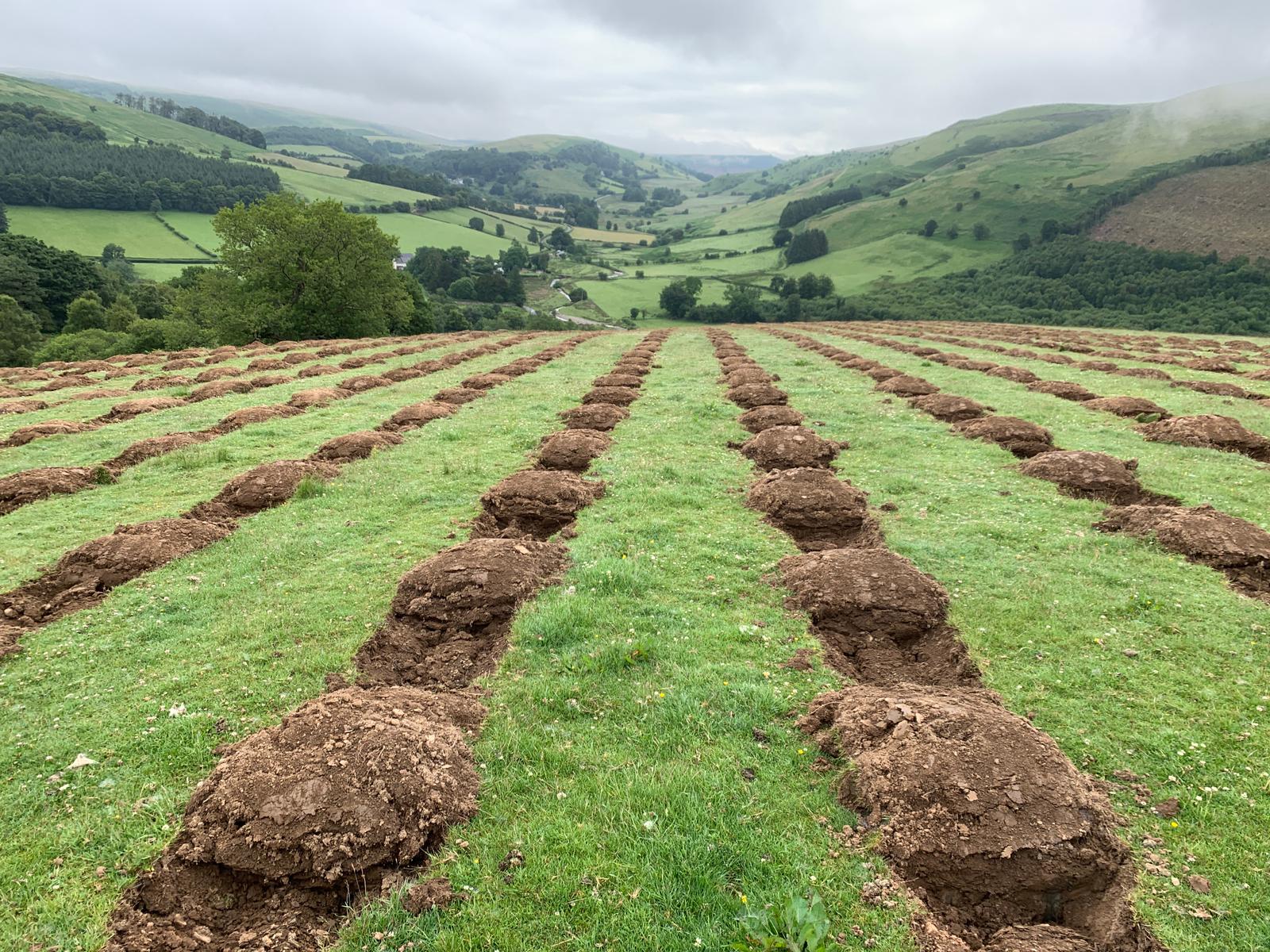
Preparing the ground at Llwyn Derw Woodland Creation, Wales – laying the foundations for resilient future forests. Photo: Jim Wright
Thoughtful spatial planning is essential to resolve these tensions and maximise synergies. Tools like Local Nature Recovery Strategies and the emerging Land Use Framework in England can offer structured approaches to align national ambitions with local needs. These mechanisms can integrate woodland creation with wider land use goals, however, these tools have highlighted that at a local level there is still limited understanding of the value of productive woodlands in supporting both environmental and socio-economic outcomes.
Thoughtful spatial planning is essential to resolve these tensions and maximise synergies. Tools like Local Nature Recovery Strategies and the emerging Land Use Framework in England can offer structured approaches to align national ambitions with local needs. These mechanisms can integrate woodland creation with wider land use goals, however, these tools have highlighted that at a local level there is still limited understanding of the value of productive woodlands in supporting both environmental and socio-economic outcomes.
Agroforestry and integrated land management practices are also gaining traction, presenting promising pathways to reconcile woodland expansion with agricultural productivity and biodiversity goals. By embedding woodland creation within a multifunctional landscape vision, the devolved nations can unlock natural capital benefits while supporting resilient rural economies.
Woodland creation: from policy to practice
Woodland creation remains a cornerstone of the UK’s strategy for enhancing natural capital and securing future timber supply. In Wales and beyond, demand for softwood continues to grow, driven by a tightening global timber market and increased focus on sustainable construction. The Welsh Industrial Timber Strategy reinforces this demand by setting out a clear ambition to increase the supply of high-quality,
“Woodland creation remains a cornerstone of the UK’s strategy for enhancing natural capital and securing future timber supply. In Wales and beyond, demand for softwood continues to grow, driven by a tightening global timber market and increased focus on sustainable construction.”
domestically grown softwood for use in modern construction and manufacturing. It emphasises the economic potential of productive forestry and the role of homegrown timber in decarbonising the built environment. Yet, afforestation rates lag well behind government targets. Across the UK, approximately 16,000 hectares of new woodland were created in 2024–25, falling far short of the 30,000-hectare annual UK goal set in the England Tree Action Plan.
Across the UK, woodland creation projects continue to be planted, but regulatory challenges, economic viability, and land availability, continue to pose serious challenges. Added to this are labour shortages and a pressing need for upskilling across the forestry sector. Success depends heavily on early and meaningful engagement with local communities and landowners to build trust and long-term support.
Case study: Llwyn Derw woodland creation, Wales
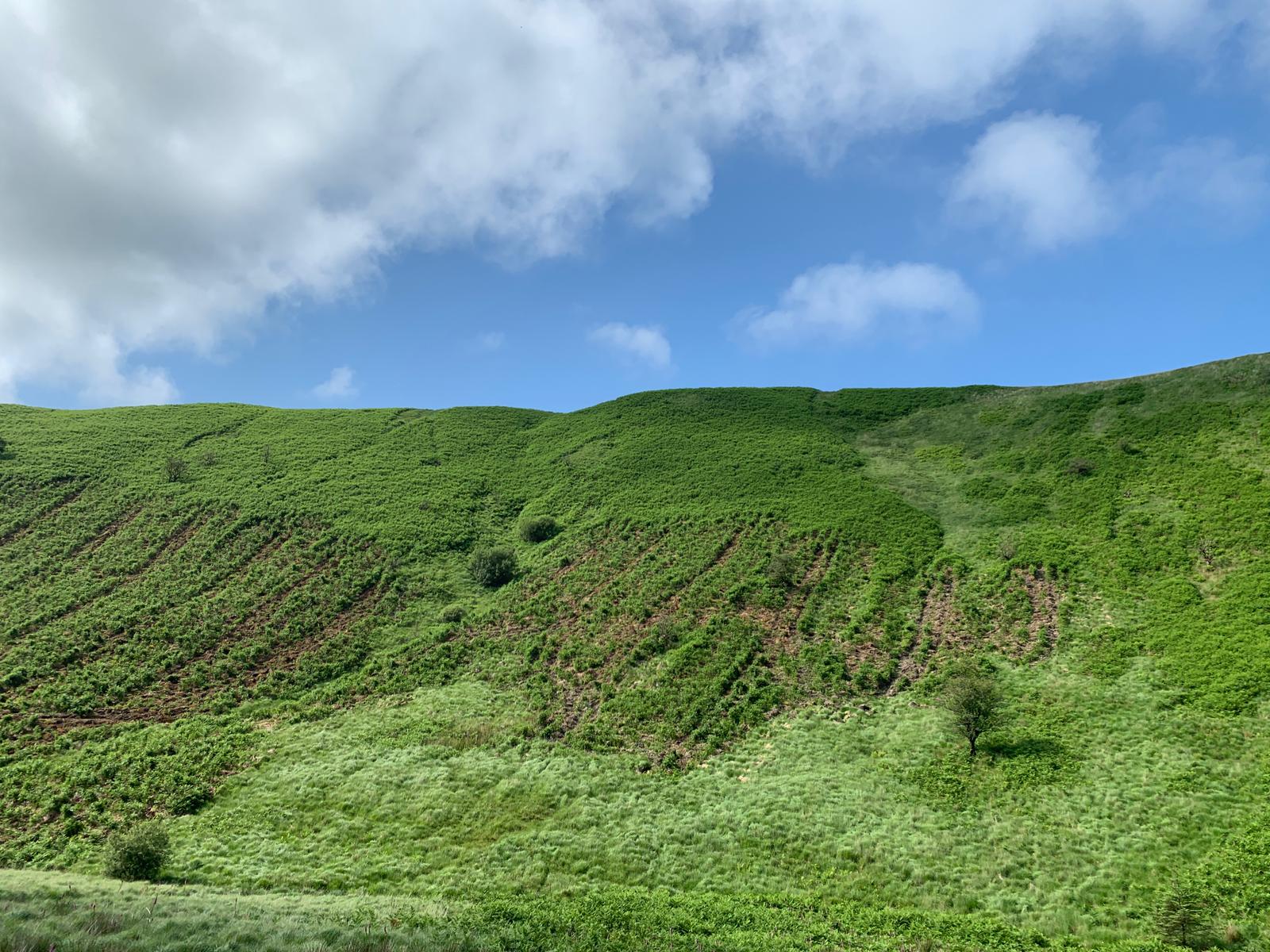
Situated on the edge of the Tywi Valley Forest Complex, the Llwyn Derw project is a 250-hectare mixed species woodland creation scheme that exemplifies large-scale integrated land stewardship. Delivered under the Welsh Government’s Woodland Creation Grant Scheme, the project is being implemented in two phases on previously degraded land dominated by steep, bracken-covered banks.
The scheme features 80% native broadleaves, alongside a carefully selected mix of Scots pine and Norway spruce to support the adjacent red squirrel buffer zone. Designed to support the red squirrel population with additional carbon sequestration benefits, Llwyn Derw also contributes significantly to flood prevention, watercourse protection, and landscape resilience.
Crucially, the estate has prioritised positive stakeholder engagement, hosting farm open days to inform and involve the local community. This early and transparent approach has helped build trust and foster support for the project’s long-term goals.
Located in a heavily wooded area with strong biodiversity value, Llwyn Derw enhances ecological connectivity while offering potential for recreational access and local economic benefit. The project stands as a compelling example of how strategic woodland creation can meet climate, nature, and community objectives in tandem.
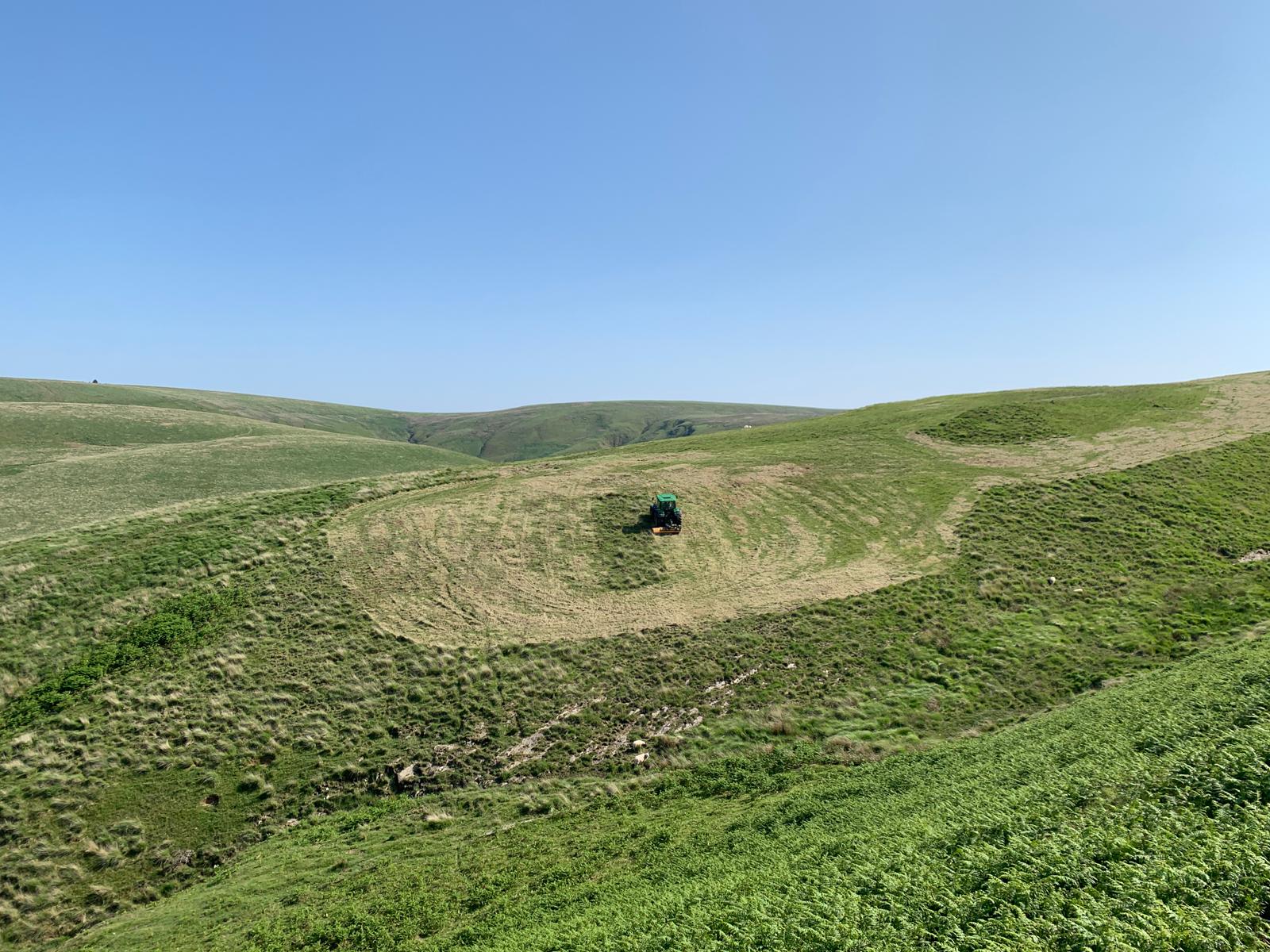
Planting on steep Welsh hillsides shows both the challenges and opportunities of expanding woodland cover at Llwyn Derw Woodland Creation, Wales. Photo: Jim Wright
Woodland management and the future of long-term land stewardship
Across Wales and the wider UK, over 40% of existing woodlands remain unmanaged8 . Bringing more woodlands into active management is essential – not only to enhance biodiversity and timber yield, but also to improve long-term carbon sequestration, which is consistently higher in well-managed forests. Certification schemes such as FSC and PEFC provide frameworks to assure sustainable practices, yet uptake and monitoring require further support.
Emerging technologies, including drone surveillance, remote sensing, and digital inventory platforms, offer powerful tools to monitor forest condition, assess risks, and inform timely interventions. By embracing innovation and integrated stewardship, we can secure resilient, productive woodland landscapes for future generations.
The role of the private sector and market innovation
The private sector is increasingly pivotal in driving woodland creation through innovative market mechanisms and green finance. A surge in private investment – driven by carbon offsetting commitments and ESG-aligned forestry funds – is reshaping land use strategies across the UK.
Frameworks like the Woodland Carbon Code provide critical assurance, enabling credible, measurable climate benefits that attract institutional investors. These verification schemes are essential in translating natural capital into investable assets, aligning carbon sequestration with financial returns.
However, the long-term success of these schemes hinges on transparent governance and robust verification standards. Market confidence depends on integrity: without it, the risk of greenwashing could undermine both ecological outcomes and investor trust.
Freshly planted trees at Llwyn Derw Woodland Creation, Wales – delivering climate action, biodiversity gains, and long-term local value. Photo: Jim Wright
Looking ahead: integration, collaboration, and landscape resilience
Over the next decade, the future of woodland creation will depend on a more integrated and collaborative approach to land use. Developing a clear, cross-sectoral land use framework is essential to align public policy with private sector action, providing clarity and confidence for long-term investment.
Bridging the gap between policy and practice will require new mechanisms that incentivise multifunctional landscapes – those that deliver for nature, climate, and rural economies.
Crucially, forestry, farming, and conservation communities must work together to navigate competing demands on land. By fostering collaboration, we can co-create resilient landscapes that support timber and food production, carbon sequestration, and biodiversity within a shared natural capital strategy.
References
Department for Environment, Food & Rural Affairs (2023) Environmental improvement plan 2023: Delivering a green future. UK Government. Available at: www.gov.uk/ government/publications/environmental-improvement-plan
Scottish Government (2019) Scotland’s forestry strategy 2019–2029. Available at: www.gov.scot/publications/scotlands-forestrystrategy-20192029
Welsh Government (2018) Woodlands for Wales: The Welsh Government’s strategy for woodlands and trees. Available at: https://www.gov.wales/woodlands-wales-strategy
Department of Agriculture, Environment and Rural Affairs (2023) Forest for Our Future – Forest Expansion Scheme reopens.Northern Ireland. Available at: www.daera-ni.gov.uk/news/ forest-our-future-forest-expansion-scheme-reopens
UK Parliament (2024) Seeing the wood for the trees: The contribution of the forestry and timber sectors to biodiversity and net zero goals. House of Commons Environmental Audit Committee. Available at: www.committees.parliament.uk/work/7989/forestry-and-biodiversity
Forest Research (2025) Forestry statistics 2025. Forestry Commission. Available at: www.forestresearch.gov.uk/tools-and-resources/statistics/publications/forestrystatistics/ forestry-statistics-2025
To provide the best experiences, we use technologies like cookies to store and/or access device information. Consenting to these technologies will allow us to process data such as browsing behavior or unique IDs on this site. Not consenting or withdrawing consent, may adversely affect certain features and functions.
Functional
Always active
The technical storage or access is strictly necessary for the legitimate purpose of enabling the use of a specific service explicitly requested by the subscriber or user, or for the sole purpose of carrying out the transmission of a communication over an electronic communications network.
Preferences
The technical storage or access is necessary for the legitimate purpose of storing preferences that are not requested by the subscriber or user.
Statistics
The technical storage or access that is used exclusively for statistical purposes.The technical storage or access that is used exclusively for anonymous statistical purposes. Without a subpoena, voluntary compliance on the part of your Internet Service Provider, or additional records from a third party, information stored or retrieved for this purpose alone cannot usually be used to identify you.
Marketing
The technical storage or access is required to create user profiles to send advertising, or to track the user on a website or across several websites for similar marketing purposes.