A key contributor to this effort is Woodknowledge Wales (WKW), whose deep commitment to building a sustainable, low-carbon future has shaped both the content and direction of this Yearbook. Led by Sarah Lawton, an editor and communicator working to connect the timber industry with the wider climate, land-use and design agenda, the WKW team has played a central role in curating the insights, case studies, and technical contributions you'll find in these pages.
Increasing summer temperatures are placing new demands on timber buildings. Derek Ward examines how passive fire protection and timber protection systems can enhance long-term resilience by addressing both fire performance and environmental exposure.
Responding to changing environmental conditions
Climate projections suggest that UK buildings will experience more frequent periods of prolonged summer heat over coming decades [1,2]. While this presents challenges across the built environment, timber buildings require particular attention to the long-term performance of roof assemblies, coatings, membranes and other exposed components.
Elevated surface temperatures, repeated thermal cycling and increased ultraviolet exposure can accelerate the ageing of some construction materials, making durability and maintenance increasingly important considerations during specification [2].
Rather than treating fire protection and environmental durability as separate issues, designers are increasingly considering how both contribute to the long-term performance of timber buildings.
Integrating protection within the building envelope
A range of specialist systems has been developed to address different aspects of timber protection.
Reflective roof systems
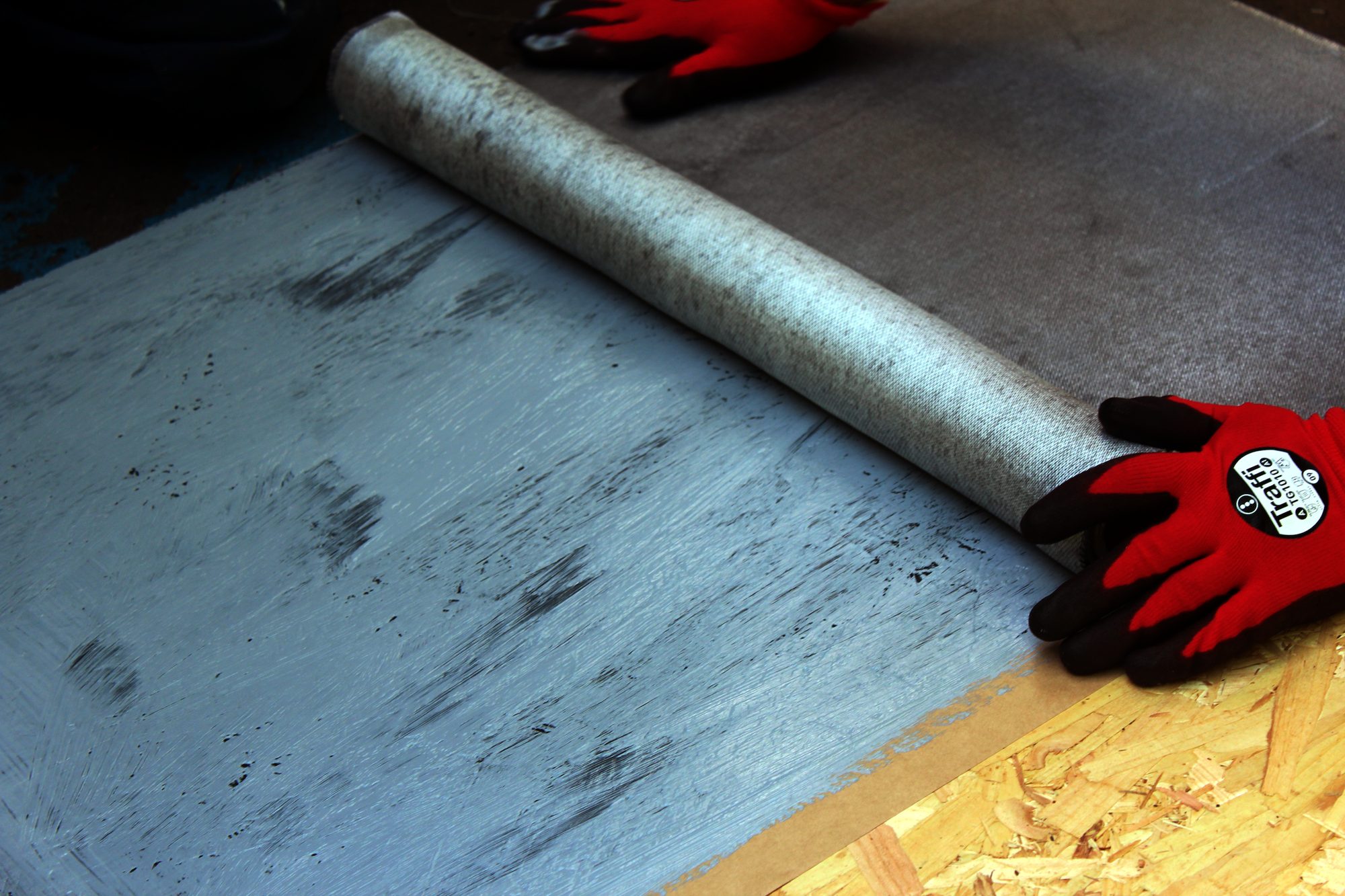
Reflective roof wrap systems can help reduce solar heat gain beneath metal roof coverings, supporting more stable internal temperatures in agricultural and industrial buildings. TaktaRoof Wrap helps limit heat transmission into the building, creating cooler internal environments and protecting temperature-sensitive contents.
Flat roof protection
For existing flat roofs, protective overlays can reduce direct exposure of roofing membranes to solar radiation, potentially extending service life where prolonged ultraviolet exposure is a concern. TaktaRoof Cover offers additional protection for flat roof systems by shielding existing bitumen felt from prolonged solar exposure while providing a durable, non-burning surface.
Timber coatings
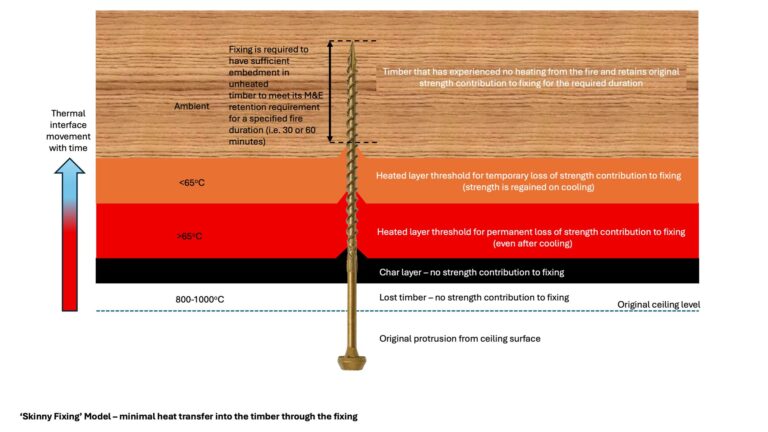
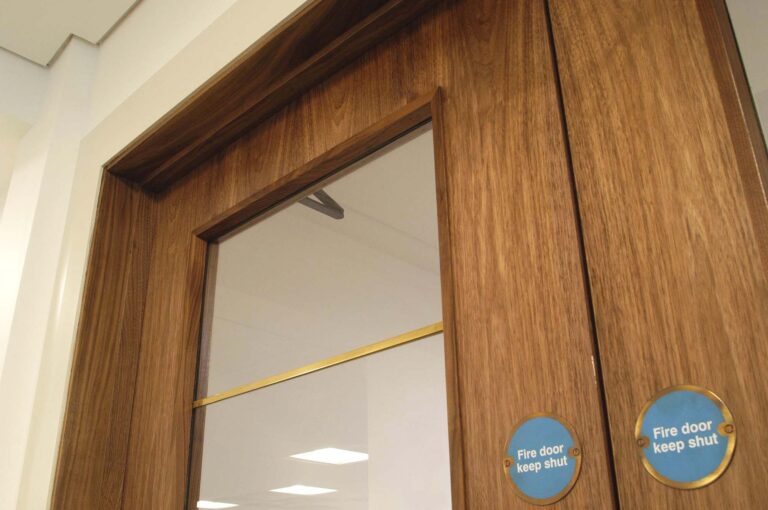
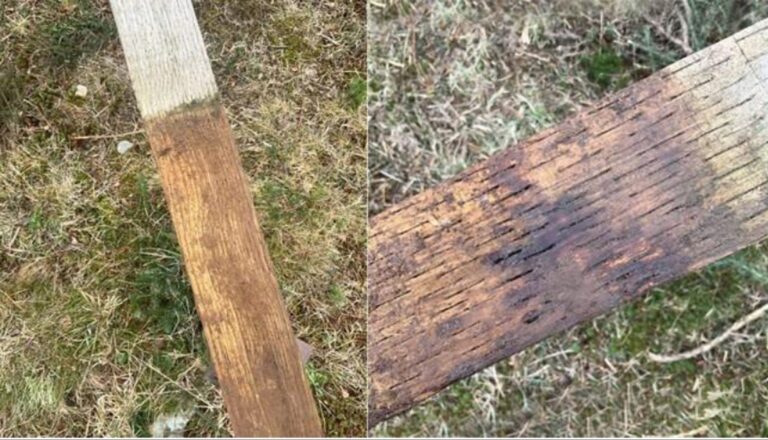
Timber coatings may also provide multiple functions, combining tested passive fire protection with resistance to fungal decay and attack from wood-boring insects where appropriate for the intended application. For timber structures, TaktaKote combines up to 90 minutes of fire protection with long-term resistance against fungal attack, wood rot and wood-boring insects.
Ventilation and compartmentation
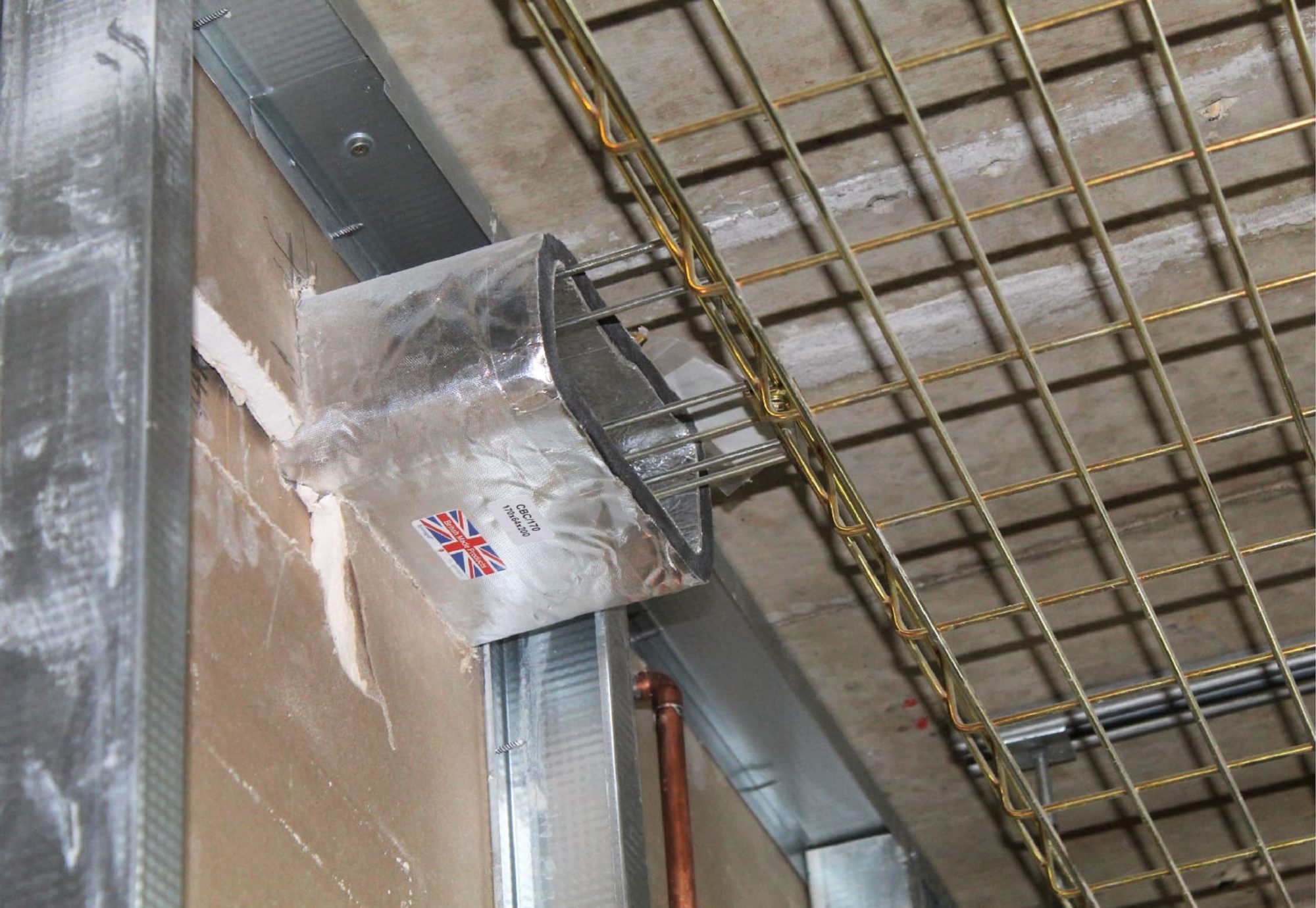
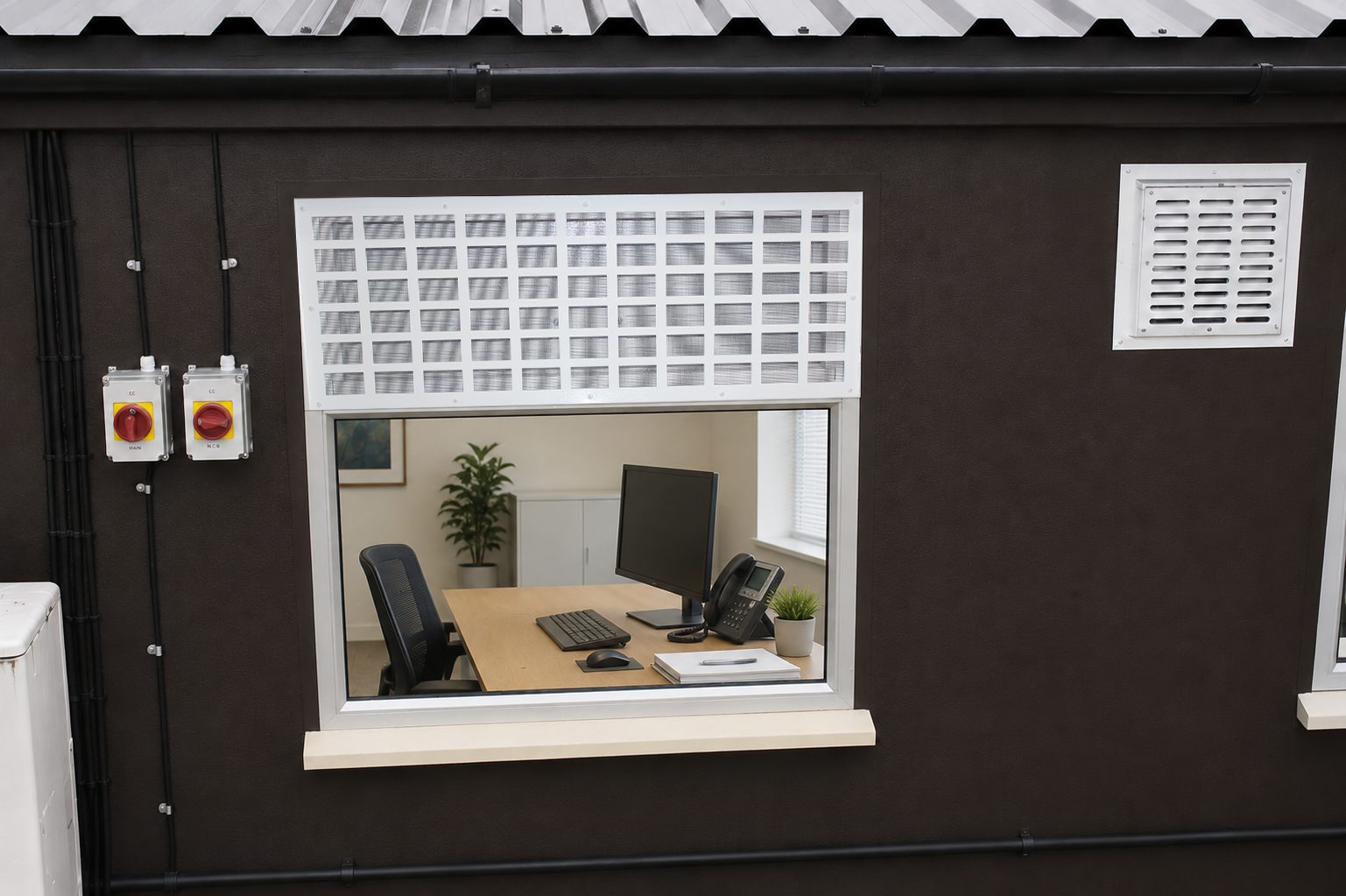
Completing the range, TaktaVent provides natural ventilation through an insect-screened vent incorporating an intumescent fire seal, allowing buildings to remain comfortable without compromising fire safety. Intumescent ventilation products allow natural airflow while maintaining fire compartmentation should elevated temperatures activate the fire seal.
Performance through changing climates
As timber construction continues to expand across housing, education and commercial buildings, long-term performance is becoming an increasingly important part of specification [2].
Fire resistance, moisture management, biological durability and resilience to changing environmental conditions all contribute to the service life of timber structures. Considering these factors together during design can help improve whole-building performance while reducing future maintenance requirements.
With warmer summers projected across much of the UK, building envelopes are likely to face greater thermal stress than in previous decades [1]. Designing for these conditions is becoming part of wider conversations around resilient, durable timber construction.
The Takta range reflects Envirograf’s commitment to developing practical solutions that help timber buildings remain safer, more durable and better prepared for the challenges of a changing climate.
References
1. Met Office (2023). State of the UK Climate 2022.
2. UK Climate Change Committee (2023). Progress in adapting to climate change.
To provide the best experiences, we use technologies like cookies to store and/or access device information. Consenting to these technologies will allow us to process data such as browsing behavior or unique IDs on this site. Not consenting or withdrawing consent, may adversely affect certain features and functions.
Functional
Always active
The technical storage or access is strictly necessary for the legitimate purpose of enabling the use of a specific service explicitly requested by the subscriber or user, or for the sole purpose of carrying out the transmission of a communication over an electronic communications network.
Preferences
The technical storage or access is necessary for the legitimate purpose of storing preferences that are not requested by the subscriber or user.
Statistics
The technical storage or access that is used exclusively for statistical purposes.The technical storage or access that is used exclusively for anonymous statistical purposes. Without a subpoena, voluntary compliance on the part of your Internet Service Provider, or additional records from a third party, information stored or retrieved for this purpose alone cannot usually be used to identify you.
Marketing
The technical storage or access is required to create user profiles to send advertising, or to track the user on a website or across several websites for similar marketing purposes.