A key contributor to this effort is Woodknowledge Wales (WKW), whose deep commitment to building a sustainable, low-carbon future has shaped both the content and direction of this Yearbook. Led by Sarah Lawton, an editor and communicator working to connect the timber industry with the wider climate, land-use and design agenda, the WKW team has played a central role in curating the insights, case studies, and technical contributions you'll find in these pages.
Dr Diana Waldron examines what building performance evaluation is revealing about the conditions inside occupied homes. Evidence from monitoring programmes shows how factors such as temperature stability, ventilation, moisture and insulation influence comfort, air quality and long-term occupant wellbeing.
Across the housing sector, conversations about building performance often begin with energy efficiency. Reducing operational carbon and improving thermal performance remain important objectives. But homes are not simply energy systems. They are living environments where people spend much of their time. Questions of comfort, indoor air quality, moisture conditions and overall wellbeing are therefore just as fundamental to building quality as kilowatt hours and running costs.
Increasingly, the industry is beginning to recognise this broader picture. Issues such as indoor air quality, overheating, moisture risk and acoustic comfort are moving from specialist research topics into mainstream housing discussions. Evaluation programmes typically examine factors such as internal temperature stability, humidity levels, ventilation performance, daylight availability, acoustic conditions and energy use. When combined with occupant surveys and interviews, these measurements help reveal how design intentions translate into everyday living conditions. In parallel, evolving housing standards and regulatory expectations are placing greater emphasis on the lived performance of homes once occupied. This shift is prompting a simple but important question: how do buildings actually perform once people move in?
One of the most effective ways to answer that question is through Building Performance Evaluation (BPE) and Post-Occupancy Evaluation (POE).
Measuring performance and lived experience
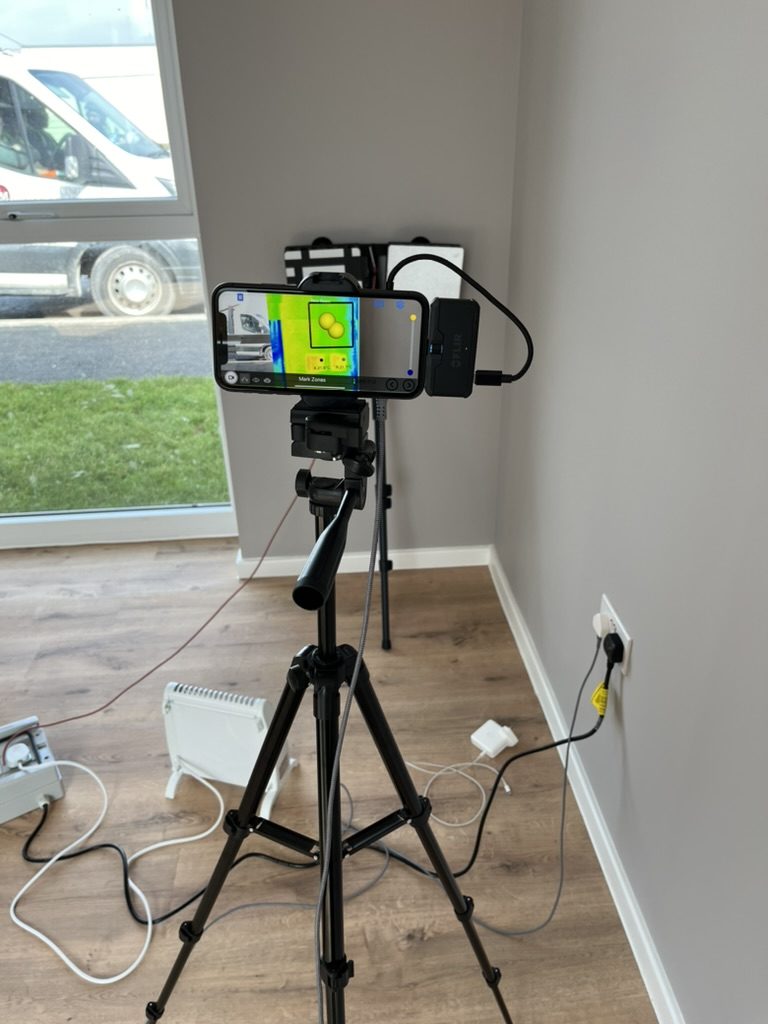
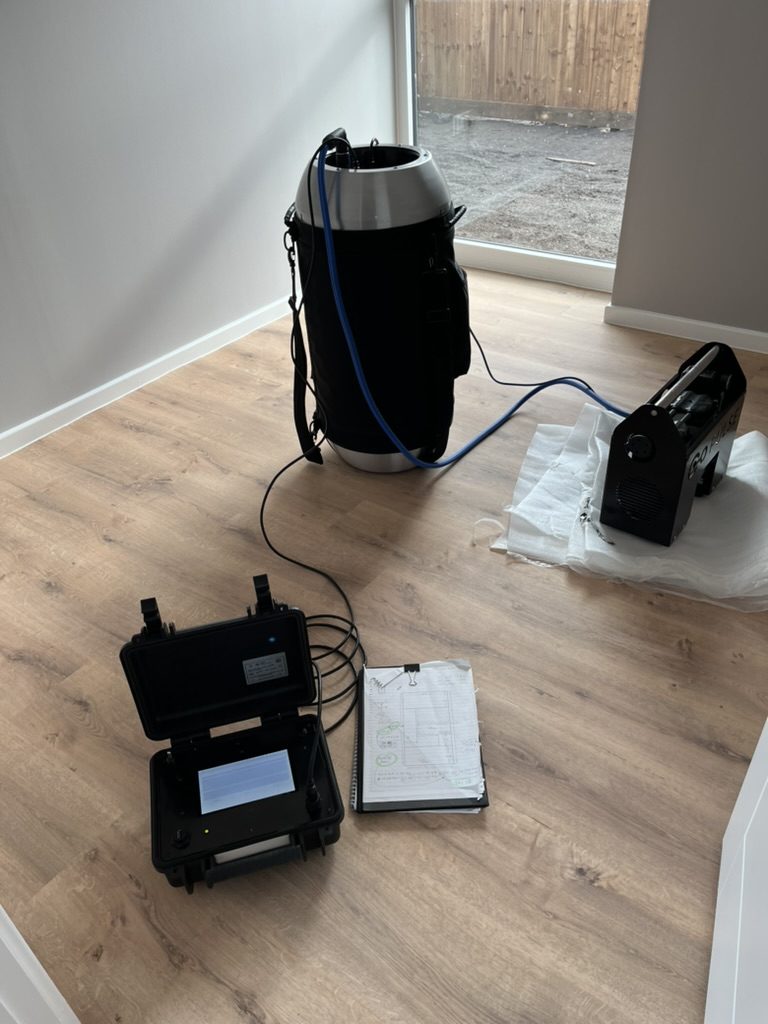
BPE and POE provide a structured way of understanding how homes function in real-world conditions and how occupants interact with their living environments. Rather than relying solely on design-stage modelling, these approaches combine monitored environmental data with feedback from residents, offering insight into how buildings behave once they are inhabited.
The value of this approach lies in its ability to identify both successes and unexpected outcomes. Buildings that perform well on paper do not always do so in practice. This gap between prediction and lived reality is where some of the most valuable lessons for the housing sector can be found.
Thermal comfort provides a good example. Monitoring frequently shows that stable indoor temperatures depend not only on insulation levels but also on ventilation design, solar shading, occupant behaviour and building orientation. Insulation continuity across the building envelope is particularly important, as small gaps or poorly detailed junctions can create local cold surfaces that affect comfort and increase condensation risk. Similarly, indoor humidity levels can vary significantly depending on ventilation strategies, insulation approaches and interior and material choices.
Ultimately, building performance is experienced through the daily lives of occupants, and many of these aspects only become apparent once homes are occupied and monitored. It has often been said that the best sensors in a building are its occupants, the only difficulty being that they are not calibrated. This is precisely why BPE combines monitored environmental data with occupant feedback. Each provides a different perspective, and together they offer a more complete understanding of how buildings perform once inhabited.
Insights from monitored housing projects
Recent work within the Home-Grown Homes programme in Wales has further reinforced the importance of quality and performance evaluation in housing delivery. Monitored buildings provided valuable insights into how design decisions relating to building fabric, ventilation and heating systems translate into real-world outcomes.
Evidence from these projects, supported by wider UK research, suggests that differences between predicted and measured energy performance are common. These gaps rarely result from dramatic failures. More often they arise from the cumulative effect of smaller issues: discontinuities in insulation layers, thermal bridging at junctions, imperfect airtightness detailing, ventilation systems that are not properly balanced, or heating controls that residents find difficult to understand. In many cases these issues arise at interfaces between components – where insulation layers meet structure, windows or services – and highlight the importance of careful coordination between design, product selection and installation.
Individually these issues may appear minor. Collectively, however, they can significantly affect comfort, energy use and long-term building quality.
The consequences can be far-reaching. Poorly performing homes may increase the risk of fuel poverty, contribute to damp or mould conditions with associated health impacts, expose residents to overheating during warmer periods, and ultimately lead to a reduced quality of life and wellbeing. In some cases, they can also create long-term maintenance costs for housing providers.
What these findings demonstrate is that how buildings behave in practice is rarely determined by one single design decision. It is the cumulative effect of many small details across design, construction and everyday use. Without checks, small deviations become embedded in the building fabric, often only becoming visible once residents move in, when remediation is more complex and costly.
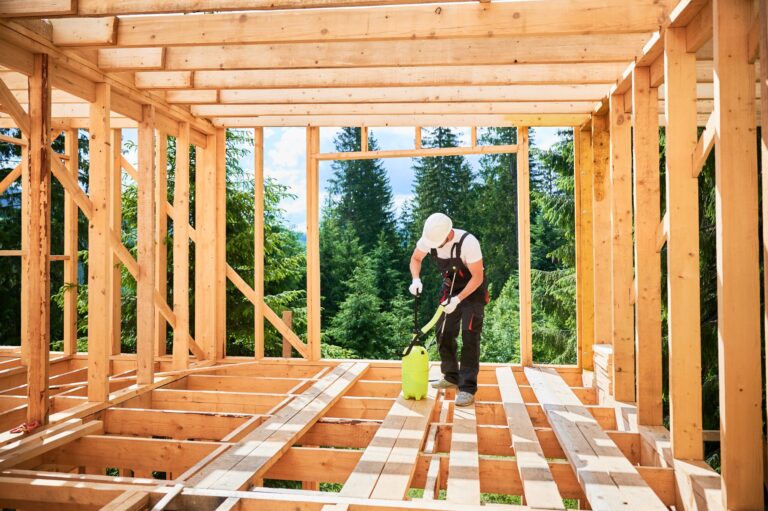
Many of the projects studied within Home-Grown Homes incorporate timber construction systems and bio-based materials. While the primary aim of BPE is to understand performance in use, these projects are beginning to generate valuable insights into how such materials interact with indoor environmental conditions. Timber structures, for example, can contribute to warmer internal surface temperatures and may help moderate indoor humidity fluctuations due to the hygroscopic properties of wood, which allow it to buffer moisture fluctuations. When combined with well-designed ventilation, insulation strategies and robust building fabric detailing, these characteristics have the potential to support comfortable and healthy indoor environments.
From compliance to confidence
For housing providers and designers, the importance of closing this feedback loop is becoming increasingly clear. Regulatory frameworks confirm whether minimum standards have been met, but they cannot fully capture how buildings perform once they are occupied.
Performance evaluation helps bridge this gap. By monitoring buildings after completion and listening to occupants, housing organisations and building contractors can move beyond compliance towards greater confidence in the homes they deliver.
Structured verification can also strengthen governance. Integrating performance checks into natural project milestones (similar to quality checkpoints in manufacturing) allows organisations to identify risks earlier and address issues before they become embedded in the building fabric.
In this sense, performance evaluation is not about identifying failure. It is about creating a culture of continuous learning across the housing sector.
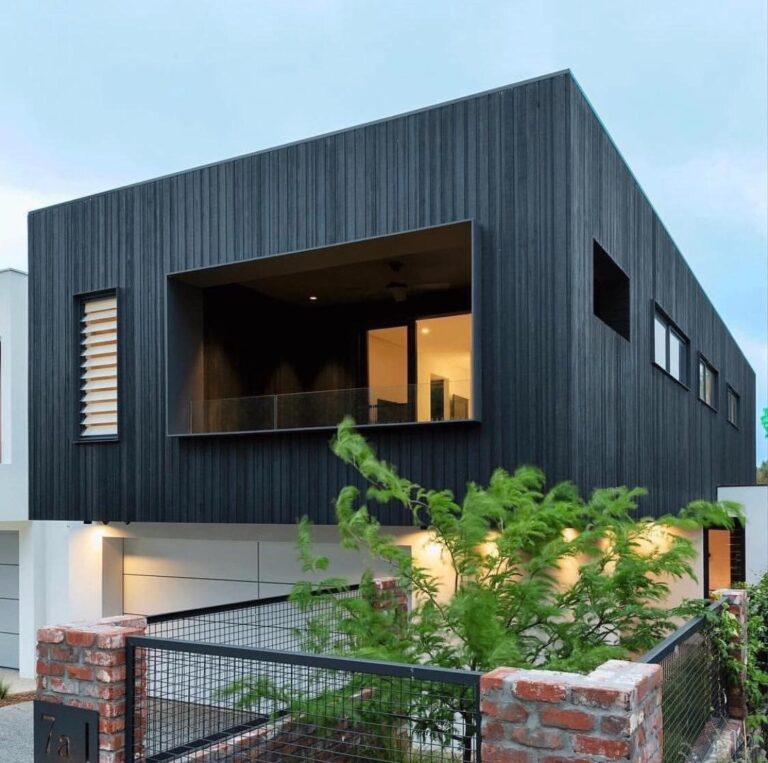
As the industry transitions toward low-carbon construction, this learning becomes even more important. Emerging solutions, including timber systems, bio-based materials and high-performance building envelopes, represent important steps toward reducing environmental impact. Ensuring these solutions also deliver healthy and comfortable living environments is equally critical.
Ultimately, the success of sustainable housing will not be measured solely in carbon metrics, but in the quality of the homes people live in every day.
BPE and POE provide a practical way to keep that focus where it belongs: on buildings that perform well, nurture healthy living environments and reduce environmental impact, ensuring that the homes we deliver provide comfortable, healthy environments as well as improved environmental performance.
To provide the best experiences, we use technologies like cookies to store and/or access device information. Consenting to these technologies will allow us to process data such as browsing behavior or unique IDs on this site. Not consenting or withdrawing consent, may adversely affect certain features and functions.
Functional
Always active
The technical storage or access is strictly necessary for the legitimate purpose of enabling the use of a specific service explicitly requested by the subscriber or user, or for the sole purpose of carrying out the transmission of a communication over an electronic communications network.
Preferences
The technical storage or access is necessary for the legitimate purpose of storing preferences that are not requested by the subscriber or user.
Statistics
The technical storage or access that is used exclusively for statistical purposes.The technical storage or access that is used exclusively for anonymous statistical purposes. Without a subpoena, voluntary compliance on the part of your Internet Service Provider, or additional records from a third party, information stored or retrieved for this purpose alone cannot usually be used to identify you.
Marketing
The technical storage or access is required to create user profiles to send advertising, or to track the user on a website or across several websites for similar marketing purposes.