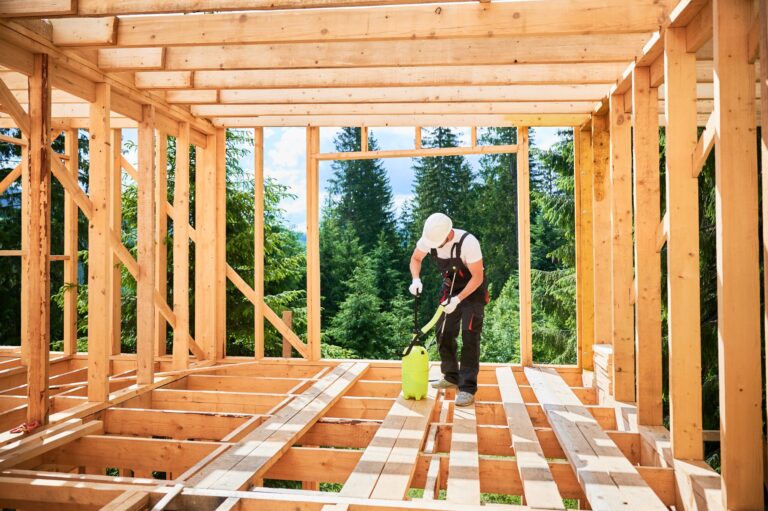
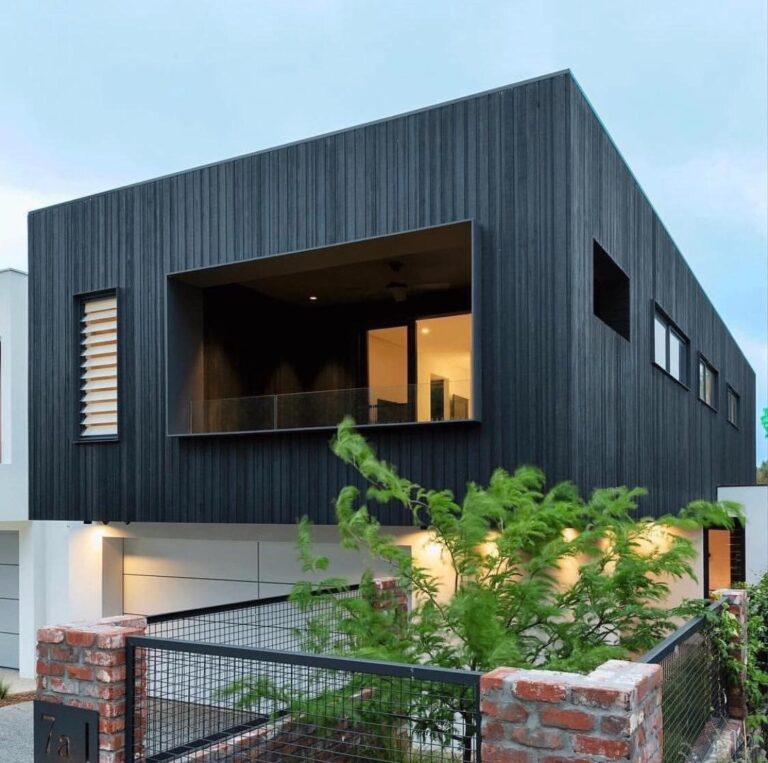
A key contributor to this effort is Woodknowledge Wales (WKW), whose deep commitment to building a sustainable, low-carbon future has shaped both the content and direction of this Yearbook. Led by Sarah Lawton, an editor and communicator working to connect the timber industry with the wider climate, land-use and design agenda, the WKW team has played a central role in curating the insights, case studies, and technical contributions you'll find in these pages.
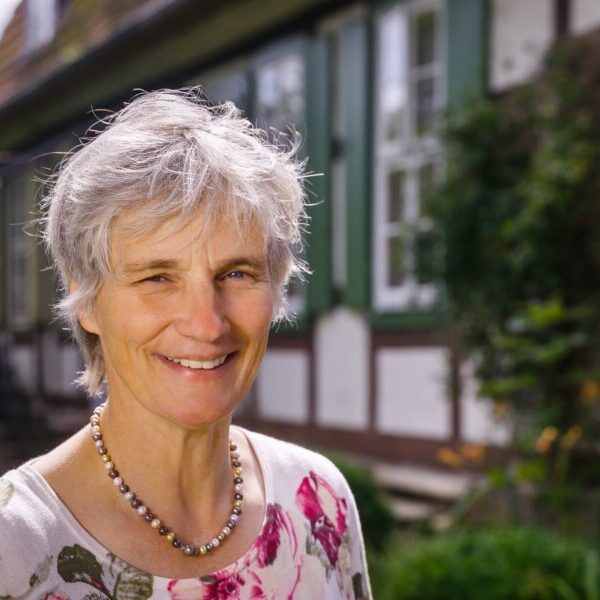
Sabine Groeneveld uses Baden-Württemberg, a south-western federal state in Germany, as a case study to illustrate how to help promote the local timber industry whilst reaching out internationally.
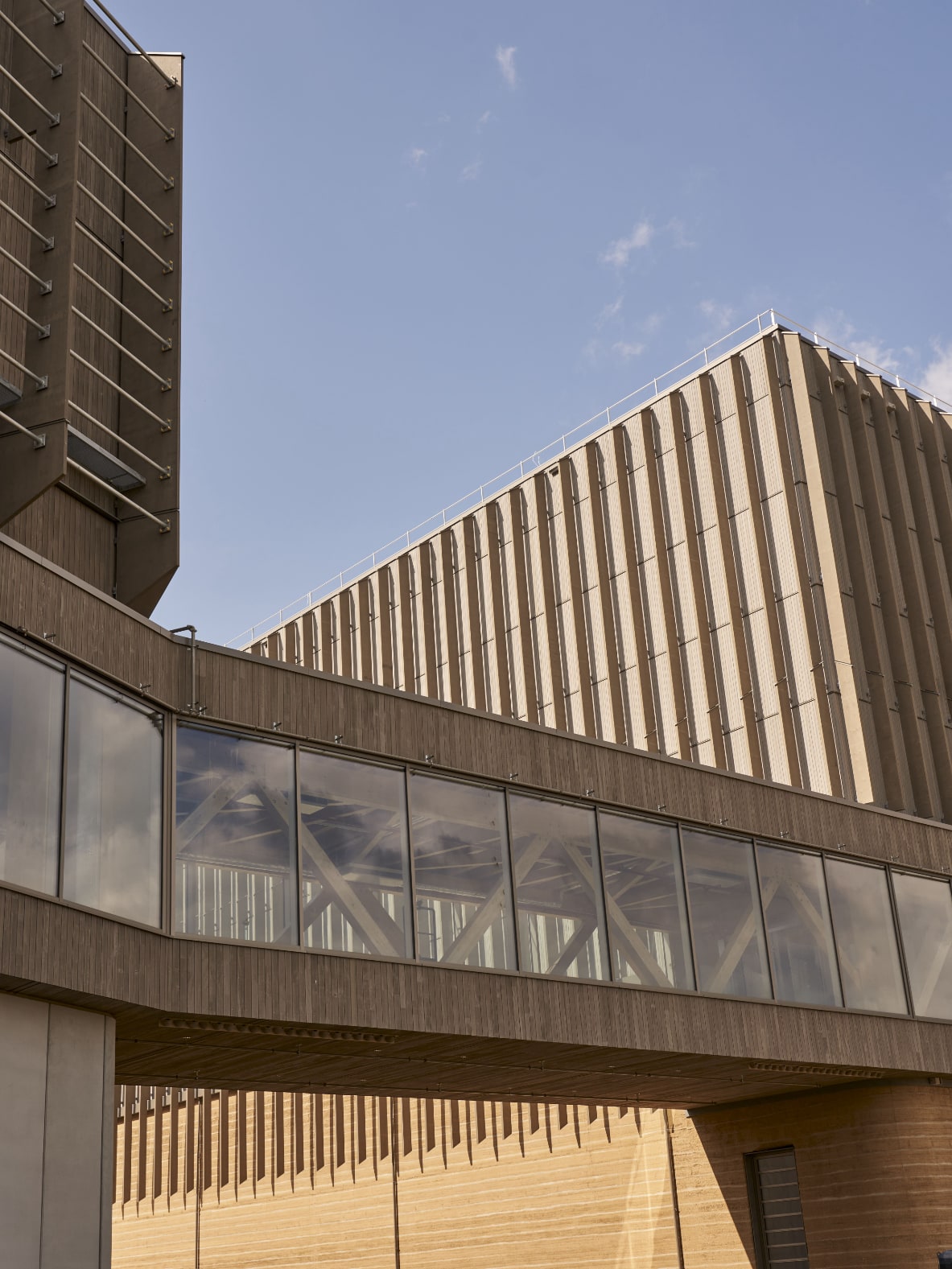
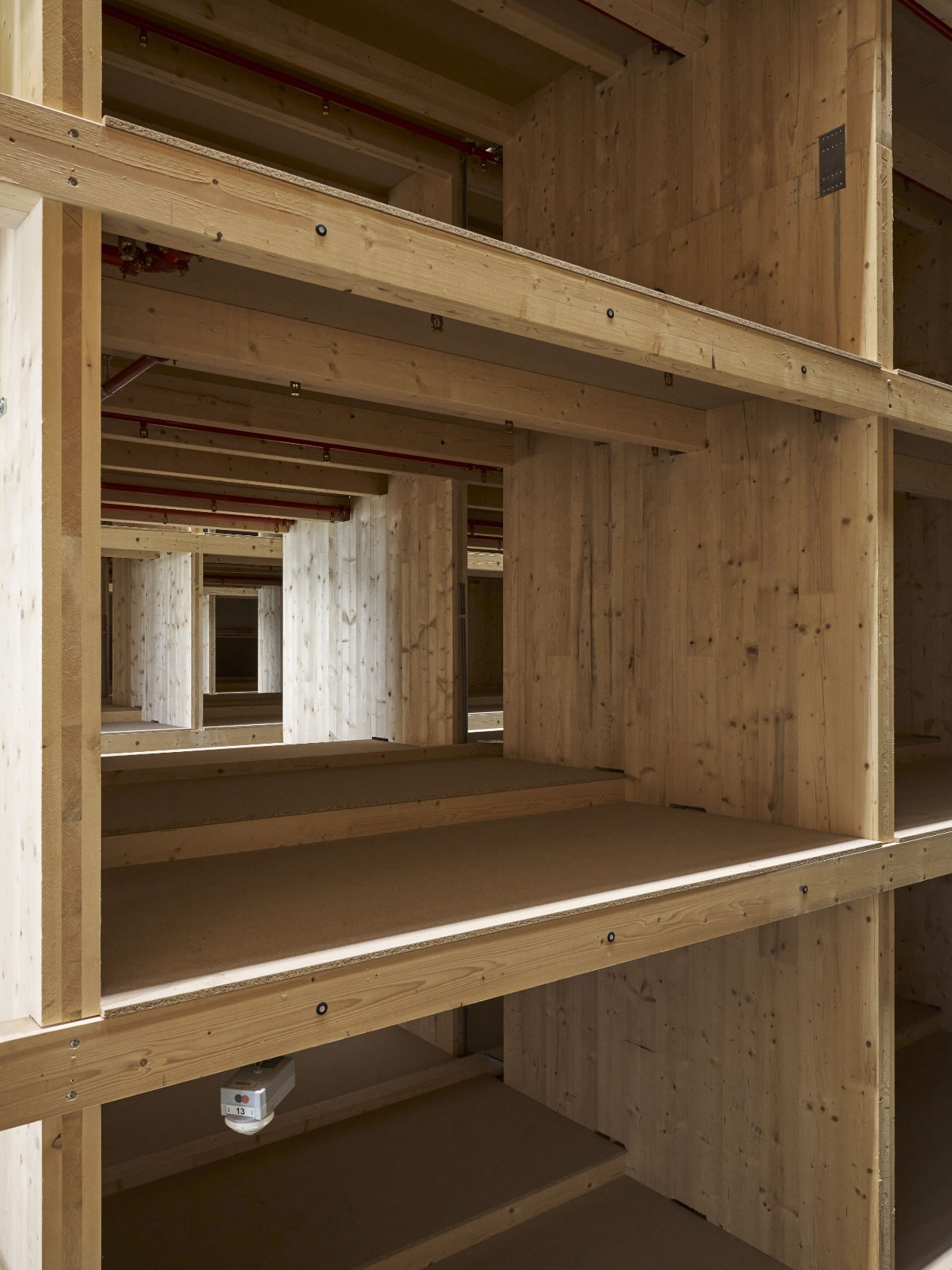
Rammed earth meets a fully timber-built logistic warehouse: Weleda Cradle, Campus, Schwäbisch Gmünd: all interiorly used timber remains untreated. Photo: Elias Hassos
“Our focus is on making the timber innovation potential visible and to network and initiate exchange on a medium- and long-term level between professionals and policy makers in the UK.”
Wood construction has a long and vibrant tradition in Baden-Württemberg. Since the Middle Ages, half-timbered houses with elaborately decorated wooden structures have characterised the appearance of many towns and villages in the state.
The rich forest landscape—especially the Black Forest— has always provided a natural resource that has promoted and refined the craft of carpentry. Historical construction methods such as Alemannic half-timbering demonstrate the high level of craftsmanship involved in working with wood as a building material.
Timber construction in Baden-Württemberg
Today, timber construction is experiencing a renaissance— now also as a key technology for sustainable building. In Baden-Württemberg, modern timber architecture combines tradition with innovation. Wood is used as a climate-friendly building material for schools, apartment buildings and office buildings. Modern techniques such as cross-laminated timber and computer-aided manufacturing enable new architectural freedoms. Statewide initiatives such as the ‘Kompetenzzentrum Holzbau’ (Timber Construction Competence Centre) promote the transfer of knowledge between craftsmanship, research and architecture.
Thus, timber construction in Baden-Württemberg is not only a cultural heritage, but also a driving force for sustainable, ecological construction—regionally rooted and internationally pioneering.
To anchor the goals of the timber construction initiative, not only strategically but also very specifically in the construction industry, the state focused on financial support instruments. One of the central programmes was the Holz Innovativ Programm (HIP), with which Baden-Württemberg wanted to initiate and raise awareness of exemplary timber construction projects. The targeted promotion of innovative construction methods was intended to accelerate the transfer of knowledge into practice and strengthen timber construction throughout the state.
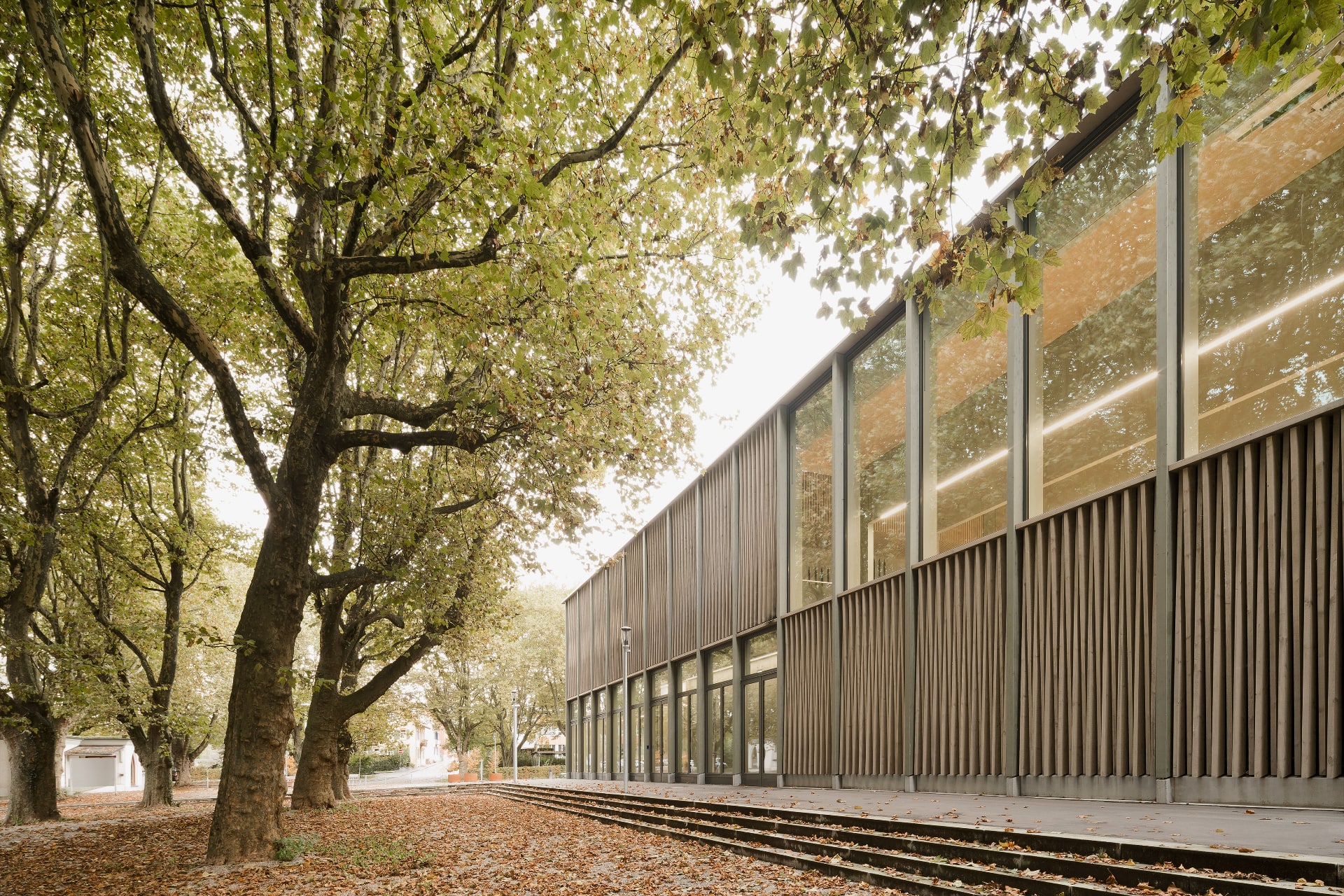
Wangen/Allgäu – District sports hall: 27.5 m span width. Photo: Brigida Gonzalez, Stuttgart
Baden-Württemberg timber construction initiative— key data and impact
The Baden-Württemberg Timber Construction Initiative was launched by the state government at the end of 2018. Its aim is to strengthen climate- friendly timber construction in the state in a sustainable manner – ecologically, economically and socially. It is part of the state’s sustainability strategy and links building culture with climate protection, innovation and securing skilled workers.
Around 37 million euros were available in the first implementation phase (2018–2023). These funds were allocated to 13 innovation packages, including the promotion of flagship projects, training and further education, research, digitalisation, building regulations and public relations.
A central component was the ‘Auf Holz bauen’ (Building on Wood) education platform, which was launched in 2020. By 2023, more than 11,000 professionals from the fields of architecture, crafts, administration and planning had participated in training courses, webinars, congresses and specialist modules. Podcasts, film formats and digital knowledge offerings also contributed to the broad impact.
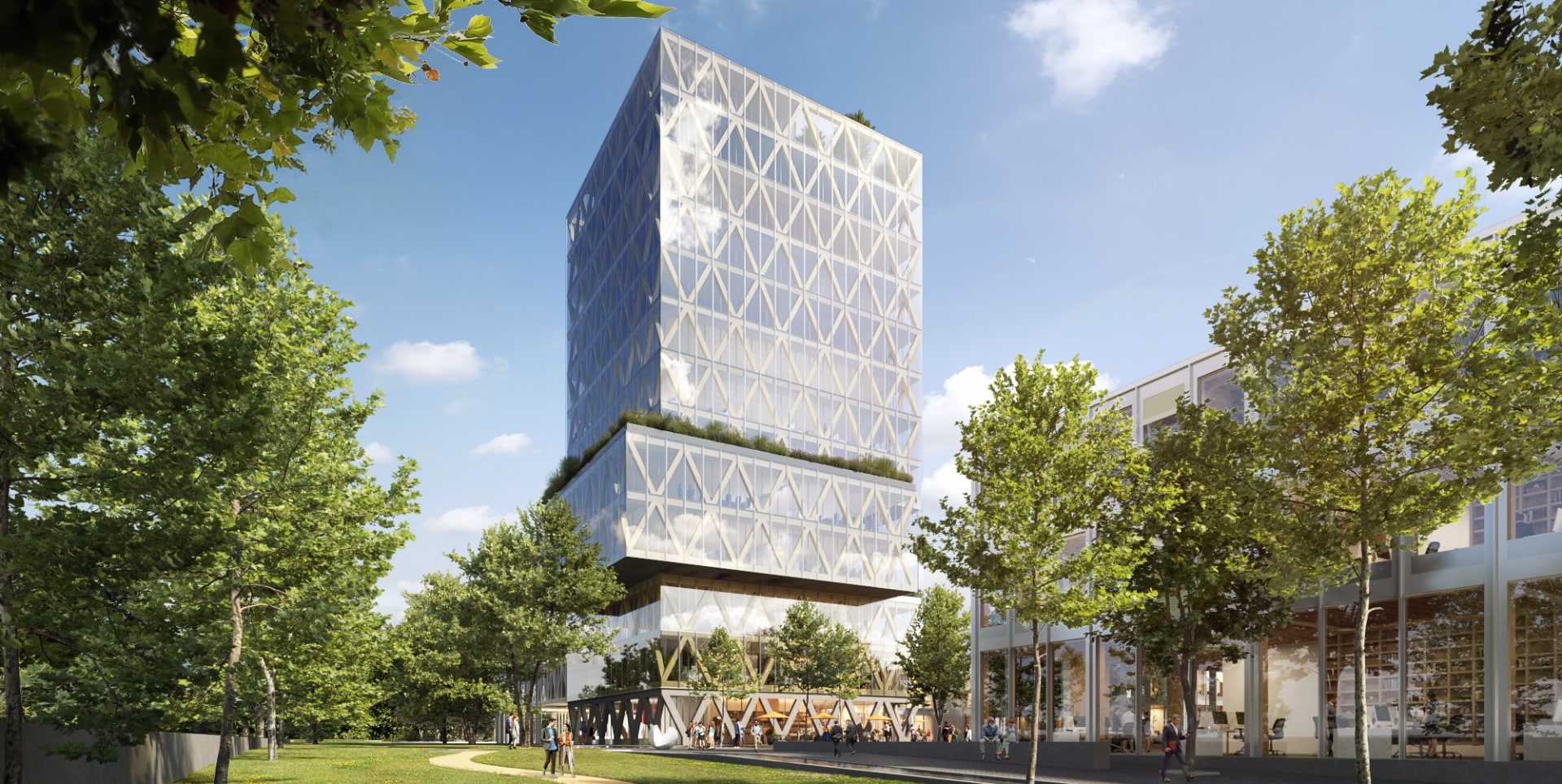
Photo: APM/rendering a+r
Another milestone was the introduction of the Baden-Württemberg Timber Construction Guideline in January 2023. It creates planning security and facilitates the approval of multi-storey timber buildings. At the same time, training programmes on the guideline were established, which have trained several hundred planners.
As part of the Holz Innovativ Programme (HIP), around 10.9 million euros were awarded by the end of 2023 for forward-looking construction projects using wood— from residential construction to municipal buildings. This was supplemented by CO2 bonuses in the Rural Development Programme (ELR) and other funding lines. Around 18 million euros are available for timber construction and research projects until 2027.
The initiative will continue to have an impact beyond 2023—with the 4th specialist congress in May 2025, new research projects, the establishment of regional wood value chains and Baden- Württemberg’s nationally recognised role model function as the number one timber construction state.
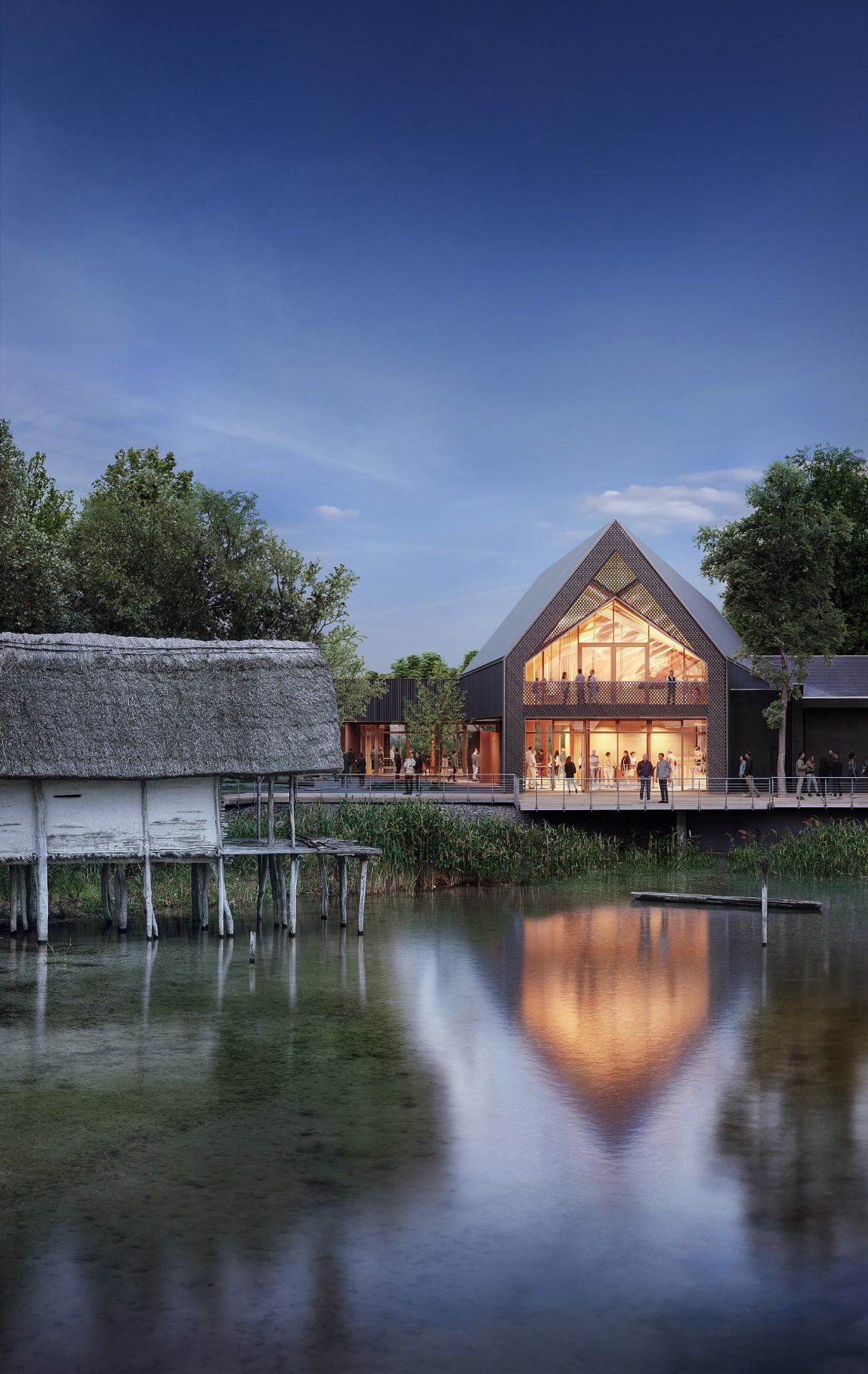
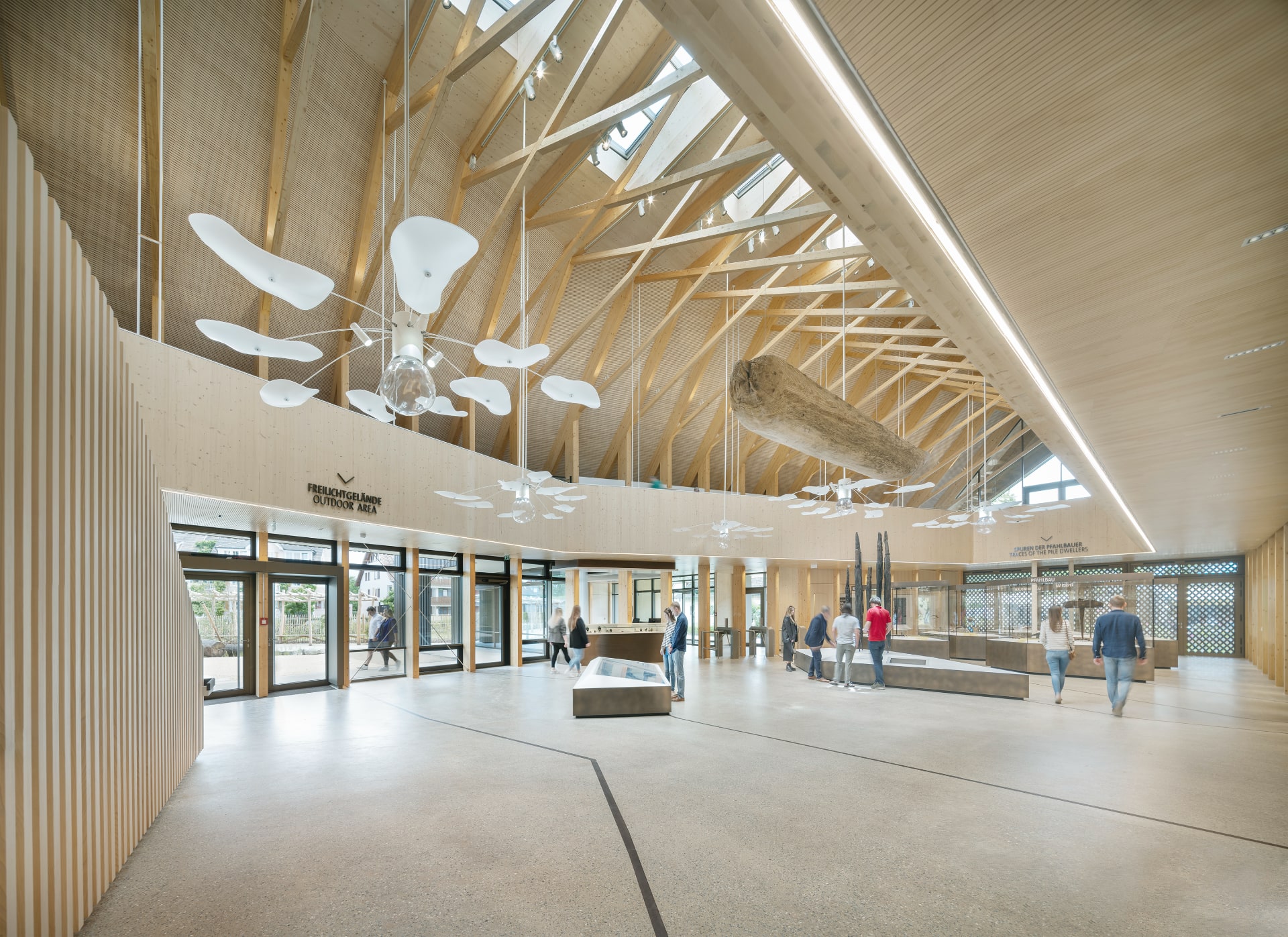
The Pile Dwelling Museum, Unteruhldingen, Lake Konstanz – in resemblance to the thousands years’ of heritage: there is not a single piece of wood in the structure of the newly built visitors’ centre that is identical to another. Photo: APM/Werner Huthmacher
The BW-UK office in London
Baden-Württemberg has been systematically investing in supporting the business and trade exchange after Brexit with the UK and opened a London Office in 2021: its intention is to promote the automotive and mobility, digitalisation and AI industry as well as health and medicine technology industries.
New construction of administration building Y for Würth, Künzelsau-Gaisbach. Photo: Orange Blu building solutions
For the significant field of the innovative timber industry of Baden-Württemberg, another SME supporting project is being funded from 2024 to 2027 and is seeking impulses and exchange with the UK on the practical, trade and scientific level. Our focus is on making the timber innovation potential visible and to network and initiate exchange on a medium- and long-term level between professionals and policy makers in the UK.
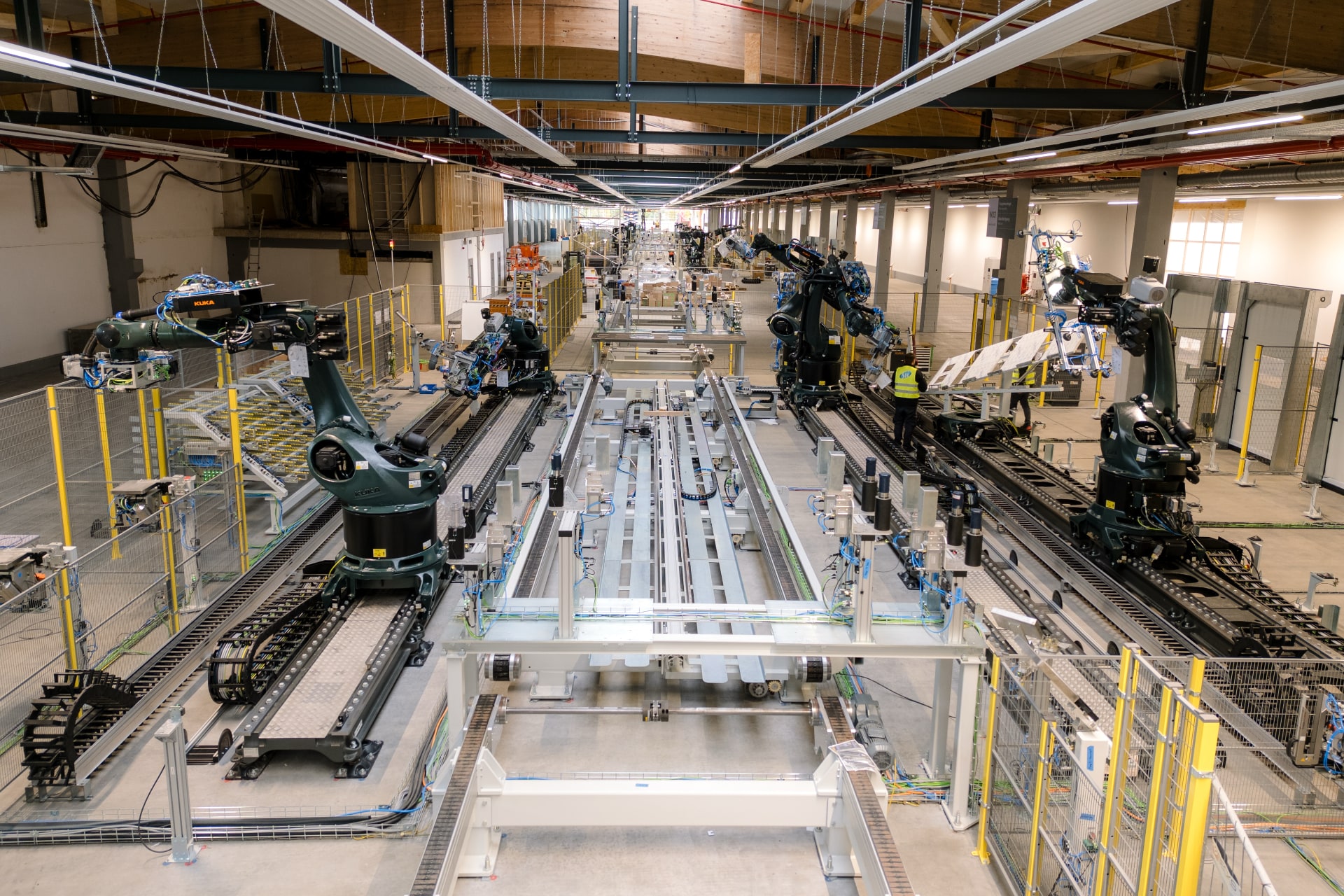
Gropyus: Timber structures in smart prefabrication with the newest robot technology – creating multi-storey timber buildings without the use of concrete. Photo: Gropyus
To provide the best experiences, we use technologies like cookies to store and/or access device information. Consenting to these technologies will allow us to process data such as browsing behavior or unique IDs on this site. Not consenting or withdrawing consent, may adversely affect certain features and functions.
Functional
Always active
The technical storage or access is strictly necessary for the legitimate purpose of enabling the use of a specific service explicitly requested by the subscriber or user, or for the sole purpose of carrying out the transmission of a communication over an electronic communications network.
Preferences
The technical storage or access is necessary for the legitimate purpose of storing preferences that are not requested by the subscriber or user.
Statistics
The technical storage or access that is used exclusively for statistical purposes.The technical storage or access that is used exclusively for anonymous statistical purposes. Without a subpoena, voluntary compliance on the part of your Internet Service Provider, or additional records from a third party, information stored or retrieved for this purpose alone cannot usually be used to identify you.
Marketing
The technical storage or access is required to create user profiles to send advertising, or to track the user on a website or across several websites for similar marketing purposes.