A key contributor to this effort is Woodknowledge Wales (WKW), whose deep commitment to building a sustainable, low-carbon future has shaped both the content and direction of this Yearbook. Led by Sarah Lawton, an editor and communicator working to connect the timber industry with the wider climate, land-use and design agenda, the WKW team has played a central role in curating the insights, case studies, and technical contributions you'll find in these pages.
The Building Safety Act (2023) demands provable compliance, long-term accountability, and fire-tested components. Here, Ainsley Evershed explains why certified doorsets offer a reliable, efficient route to safer, regulation-ready buildings.
The Building Safety Act (2023) has fundamentally changed how construction and manufacturing are approached in the UK. It is no longer enough to follow best practice. Everyone involved in the delivery of buildings must now prove that they are following the strict regulations.
For those specifying, manufacturing, or installing doors, this marks a shift in both responsibility and expectation. It is also an opportunity to raise standards across the entire industry.
More than compliance: a new era of responsibility
One of the most important changes introduced by the Building Safety Act is the heightened focus on accountability. Responsibility now continues throughout the building’s lifecycle.
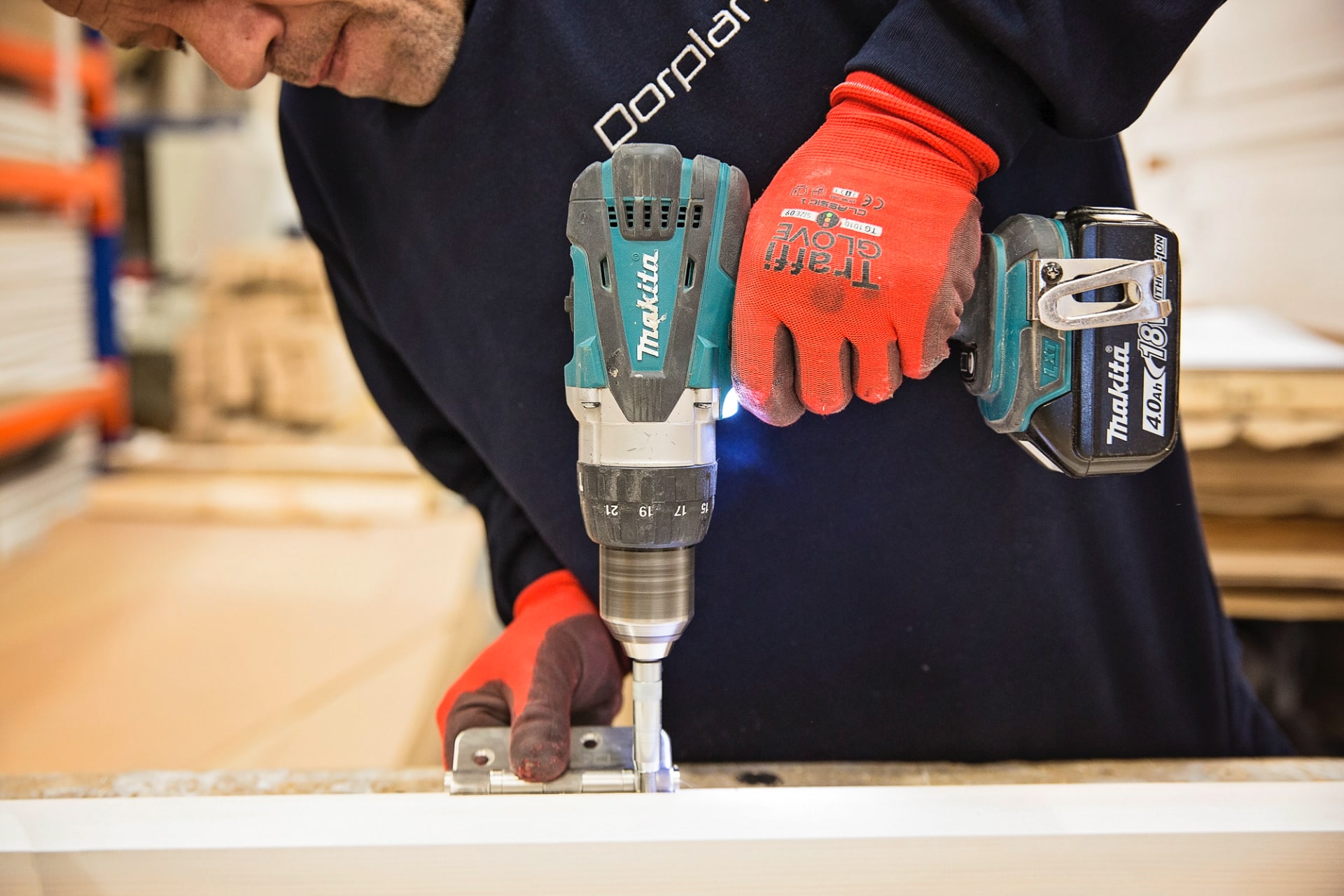
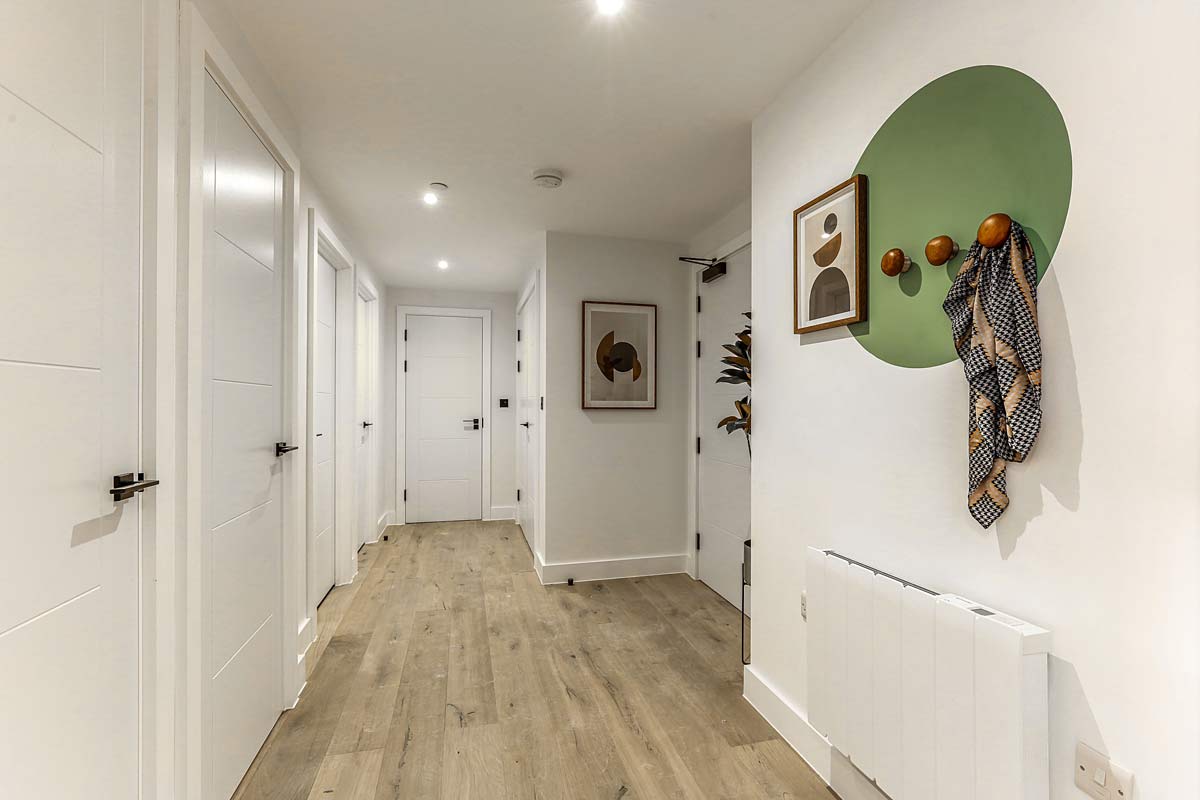
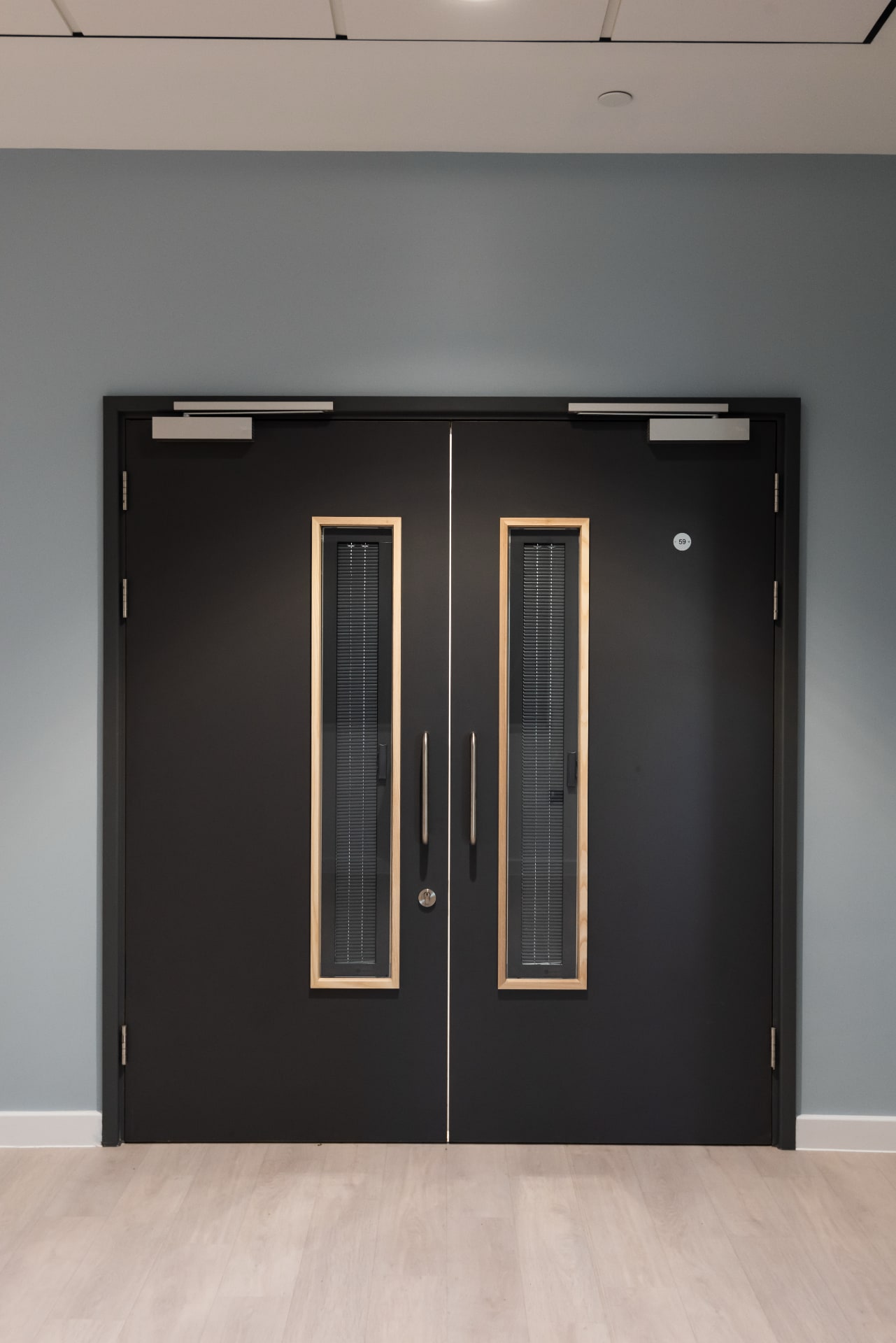
Certified and installed fire doorsets. Source: Dorplan
Fire safety is central to this new regime, yet a remarkable 75% of fire doors inspected in the UK fail to meet required standards, often due to gaps around the frame, smoke seal failures, and installation issues. Certified doorsets offer a tested, ready-to-install solution that greatly reduces those performance risks.
Fire safety has become a particular point of focus. Fire doors are among the most closely scrutinised elements of a building’s passive fire protection strategy. However, not all fire doors provide the same level of protection. Their performance is rated by how long they can resist the spread of fire and smoke under test conditions, typically expressed in minutes:
FD30: Offers 30 minutes of fire resistance. Common in residential and commercial buildings, especially along escape routes.
FD60: Provides 60 minutes of resistance. Used where evacuation may take longer or where higher fire risk is anticipated.
FD90 and FD120: These doors offer 90 or 120 minutes of protection. They are used in high- rise buildings, industrial settings, and other high-risk areas.
These ratings are not estimates. They are based on rigorous testing to BS 476 Part 22 or EN 1634-1 standards, where the complete assembly—including the leaf, frame, hardware, seals, and glazing, is exposed to a controlled fire to assess its performance.
The new rules of the game
The Building Safety Act, which came into force in October 2023, was introduced in response to the Grenfell Tower tragedy and the Hackitt Review. Its goal is to make buildings demonstrably safer, especially high-risk residential buildings and to ensure that safety decisions can be evidenced.
The Act places legal duties on those involved in the design, construction, and ongoing management of buildings. Duty holders must now demonstrate that they have taken all reasonable steps to prevent the spread of fire and avoid structural failure. Non-compliance is no longer just a matter of poor practice. It can now lead to criminal consequences.
When it comes to fire doors, performance must be proven. It cannot simply be assumed. This is one of the key reasons certified doorsets are gaining wider recognition across the industry.
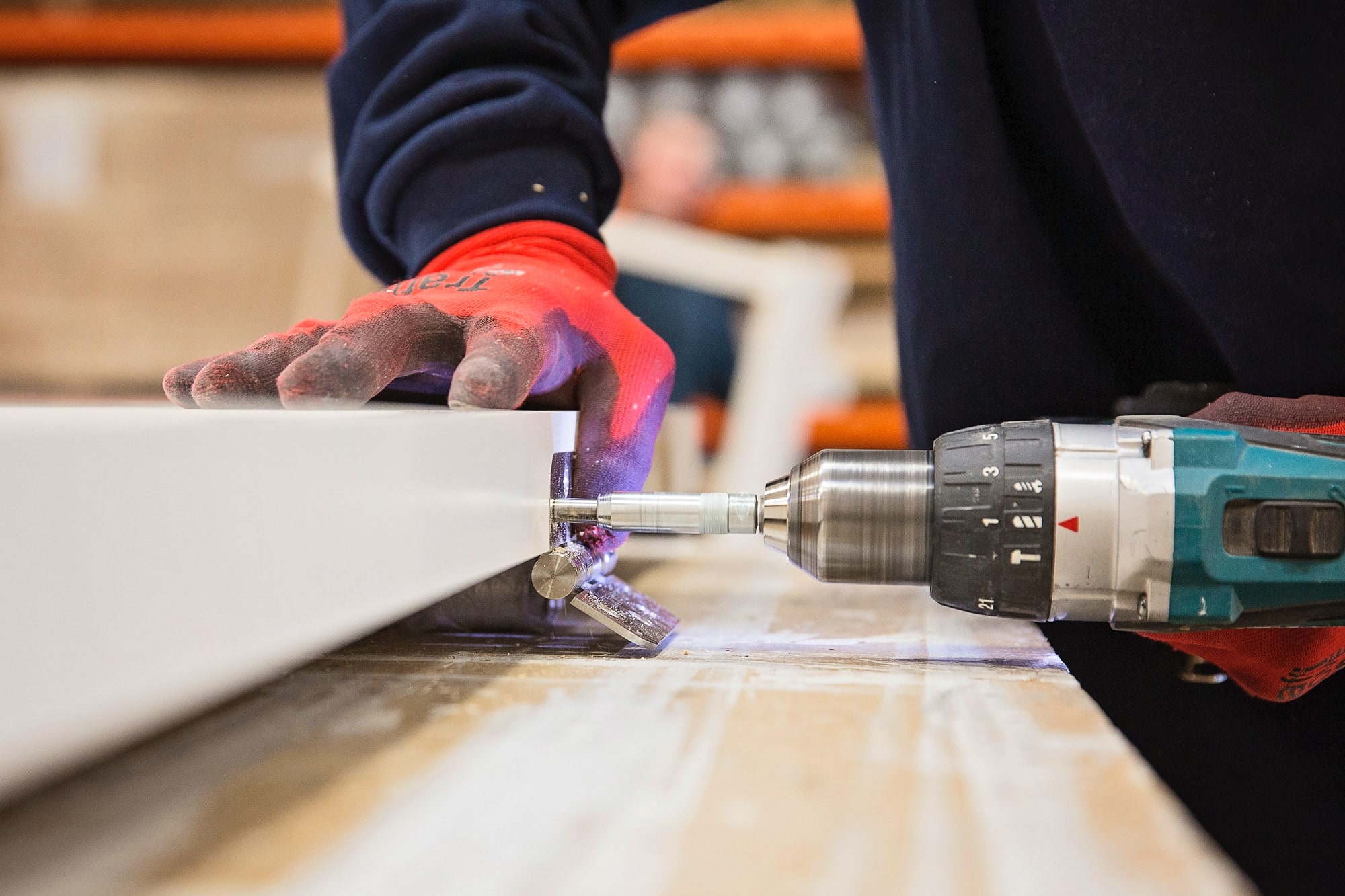
Factory-tested doors and components are manufactured for compliance. Source: Dorplan
The Golden Thread and the case for traceability
The Golden Thread is another central concept introduced by the Act. It refers to a digital, living record that documents safety-critical information throughout a building’s life.
This is not a tick-box exercise. It ensures transparency and accountability, especially when products such as fire doors need to be inspected, repaired, or replaced. Facilities managers and responsible persons must know exactly what was installed, how it performs, and whether any changes have occurred.
Certified doorsets support this by providing clear, verifiable documentation. Every component of the doorset—from the door leaf and frame to the hinges, seals, and hardware—is tested and supplied as part of a complete system. These systems are typically manufactured under third-party certification and are often delivered with a single warranty. This approach greatly simplifies compliance, documentation, and future maintenance.
Increasingly, doorsets are also equipped with Q-Mark identification labels or scannable QR codes. These can be read using a standard smartphone. The digital tags provide instant access to essential information such as test certification, manufacturer details, and the date of the most recent inspection. This functionality helps maintain the Golden Thread in a practical and accessible way. It ensures that fire doors can be monitored and maintained with confidence throughout their service life.
Doorset vs. door assembly: what’s the difference?
Let’s take a closer look at the difference between a doorset and a door assembly.
A door assembly is built on site using separate components such as the frame, door leaf, and hardware. While these parts may be individually certified, they are not necessarily tested together as a system.
A doorset, on the other hand, is a complete, factory- assembled product. It is tested, certified, and supplied as a single unit, ready for installation.
Door assemblies carry a significantly higher risk of underperformance. Even when individual components are technically compliant, performance can be compromised if the wrong combinations are used or if installation is inconsistent. In fact, nearly 31% of fire door failures are linked directly to installation issues—many of which occur with site-built assemblies. Certified doorsets eliminate much of this uncertainty by offering a controlled, factory-tested solution. Supplied as a complete unit, they provide consistent performance and greatly reduce the risk of failure on site.
In today’s fast-paced construction environments, that consistency is essential. Specifications change frequently, product substitutions occur, and mistakes can easily happen. Certified doorsets help mitigate these risks from the start.
Building regulations, as outlined in Appendix C, mandate that fire doorsets must be tested to standards such as BS 476-22 or BS EN 13501-2 (including BS EN 1634-1, 1634-2, and BS EN 1634-3). Test evidence should adequately demonstrate compliance and apply to the complete installed assembly.
For compliance with PAS24:2022, purchasing as components would not suffice, as doorsets must be supplied complete (pre- hung in frame with complete ironmongery) and independently tested by a certified accreditation organisation such as UKCAS.
Approved Document Q imposes strict requirements on features like locks, hinges, and glazing for external doors in dwellings to enhance security. Compliance with standards such as PAS 24, STS 201, LPS1175, STS 202, LPS 2081, or equivalents is necessary. Q1 of Approved Document Q mandates reasonable provision to resist unauthorised access, with standards detailed in Appendix B.
Why certified doorsets just make sense
Choosing a certified doorset is more than a matter of convenience or box-ticking. It is a practical, forward-looking decision that supports safety and long-term compliance. The benefits include:
Reliable performance: Tested and certified as a complete system for both fire and acoustic integrity.
Simplified compliance: A single supplier means one set of documentation and a clear chain of responsibility.
Faster, safer installation: Factory-assembled units remove uncertainty and reduce time on site.
Easier maintenance: With a single point of origin, future inspections, replacements, and updates are more straightforward.
At Dorplan, we are seeing a growing demand for certified doorsets from architects, contractors, and building owners. These stakeholders value not only the product performance but also the clarity and assurance it brings. A doorset is more than just a product. It is a long-term investment in building safety and regulatory confidence.
Designing for safety, not just checking boxes
The construction industry is moving beyond minimum compliance. Safety, traceability, and quality assurance are now built-in legal requirements that must be considered from design through to occupation.
Specifying a certified doorset is not just a technical choice. It reflects a commitment to getting things right, across the supply chain and throughout the building’s life.
Ultimately, that commitment protects not only the people who use the building but also those responsible for creating it.
Building standards
The following references provide access to official building regulation guidance across the UK, including Approved Documents and technical handbooks for England, Wales, Scotland, and Northern Ireland.
England (UK Government – Approved Documents)
Department for Levelling Up, Housing and Communities. Building regulations: approved documents. GOV.UK. Updated 2024 [cited 2025 Jul 31]. Available from: www.gov.uk/government/collections/approved-documents
HM Government. Building regulations guidance (England). GOV.UK. [cited 2025 Jul 31]. Available from: www.gov.uk/government/collections/approved-documents
Wales (Welsh Government – Approved Documents)
Welsh Government. Building regulations: approved documents (Wales). GOV.WALES. Updated 2023 [cited 2025 Jul 31]. Available from: www.gov.wales/building- regulations-approved-documents
Building Regulations Wales. Guidance and approved documents. Welsh Government. [cited 2025 Jul 31]. Available from: www.gov.wales/building-regulations
Scotland (Scottish Government – Building Standards)
Scottish Government. Building standards guidance and regulations. GOV.SCOT. Updated 2024 [cited 2025 Jul 31]. Available from: www.gov.scot/policies/building-standards
Scottish Government. Technical Handbooks and building standards. GOV.SCOT. [cited 2025 Jul 31]. Available from: www.gov.scot/publications/building-standards-technical- handbooks
Northern Ireland (Building Control NI)
Department of Finance. Building regulations: Northern Ireland. Building Control NI. Updated 2024 [cited 2025 Jul 31]. Available from: www.buildingcontrol-ni.com/regulations
Building Control Northern Ireland. Building regulations guidance documents. [cited 2025 Jul 31].
To provide the best experiences, we use technologies like cookies to store and/or access device information. Consenting to these technologies will allow us to process data such as browsing behavior or unique IDs on this site. Not consenting or withdrawing consent, may adversely affect certain features and functions.
Functional
Always active
The technical storage or access is strictly necessary for the legitimate purpose of enabling the use of a specific service explicitly requested by the subscriber or user, or for the sole purpose of carrying out the transmission of a communication over an electronic communications network.
Preferences
The technical storage or access is necessary for the legitimate purpose of storing preferences that are not requested by the subscriber or user.
Statistics
The technical storage or access that is used exclusively for statistical purposes.The technical storage or access that is used exclusively for anonymous statistical purposes. Without a subpoena, voluntary compliance on the part of your Internet Service Provider, or additional records from a third party, information stored or retrieved for this purpose alone cannot usually be used to identify you.
Marketing
The technical storage or access is required to create user profiles to send advertising, or to track the user on a website or across several websites for similar marketing purposes.