A key contributor to this effort is Woodknowledge Wales (WKW), whose deep commitment to building a sustainable, low-carbon future has shaped both the content and direction of this Yearbook. Led by Sarah Lawton, an editor and communicator working to connect the timber industry with the wider climate, land-use and design agenda, the WKW team has played a central role in curating the insights, case studies, and technical contributions you'll find in these pages.
Modified timber and the demand for durable exterior materials
Demand for durable, low-maintenance exterior materials is influencing timber specification across the built environment. Modified wood products are providing additional options for projects seeking improved durability, dimensional stability and long-term performance in exposed environments.
Timber is increasingly being specified for a wide range of external applications, from cladding and decking to public realm infrastructure, educational environments and residential developments. Alongside aesthetic considerations, clients and asset owners are placing greater emphasis on durability, maintenance requirements and whole-life performance.
This shift reflects broader changes in procurement and asset management. Initial capital cost remains important, but it is increasingly considered alongside ongoing maintenance obligations, expected service life and operational impacts. For many projects, the long-term performance of external materials has become a key part of the specification process.
Against this backdrop, interest in modified timber products has continued to grow.
Understanding modification
Timber modification encompasses a range of technologies designed to alter the properties of wood in order to improve specific performance characteristics.[1]
Unlike preservative treatments, which typically introduce substances intended to protect timber from biological degradation, modification processes alter the timber itself. Established technologies include thermal modification, acetylation and furfurylation, each using different methods to change the material’s interaction with moisture and its response to environmental conditions.[1][2]
While the processes differ, the objective is broadly similar: to improve durability and dimensional stability, particularly in external applications where timber is exposed to changing weather conditions.[1]
The importance of moisture
Moisture remains one of the most significant factors influencing the long-term performance of exterior timber.
Repeated wetting and drying cycles can result in swelling, shrinkage, distortion and surface checking. Where moisture remains trapped within timber for extended periods, conditions may also develop that support fungal decay.[3]
For this reason, good design remains fundamental to successful timber specification. Appropriate detailing, drainage, ventilation and installation practices all play an important role in ensuring that timber can dry effectively when exposed to weather.
Modified timber products can contribute additional resilience by reducing moisture uptake and improving dimensional stability.[1][2] However, they are not a substitute for good design. Long-term performance depends on a combination of material selection, detailing, installation quality and ongoing maintenance.
Changing expectations of maintenance
Maintenance expectations have evolved significantly over recent decades.
Public-sector organisations, housing providers, educational estates and commercial property owners increasingly evaluate materials through a whole-life perspective. The practical implications of inspection, repair, refinishing and replacement can have a significant influence on long-term asset costs.
In this context, modified timber products are often specified where improved durability and dimensional stability may support lower maintenance demands over the building lifecycle.[1]
Importantly, low maintenance should not be confused with maintenance free. All exterior materials weather over time and require inspection and management. The objective is not to eliminate maintenance altogether, but to ensure that materials continue to perform as intended throughout their service life.
Applications across the built environment
Modified timber is now used across a broad range of external applications.
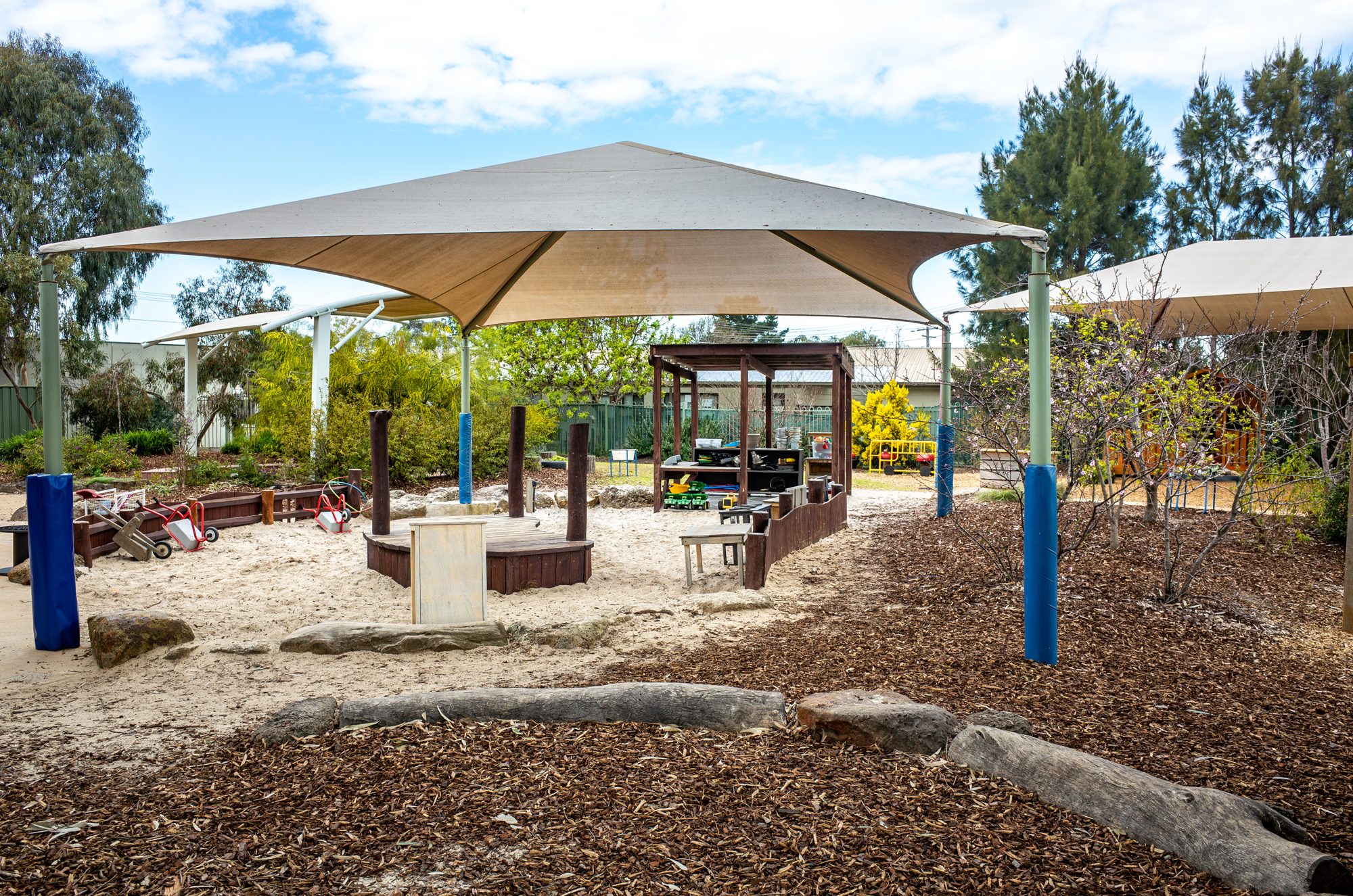
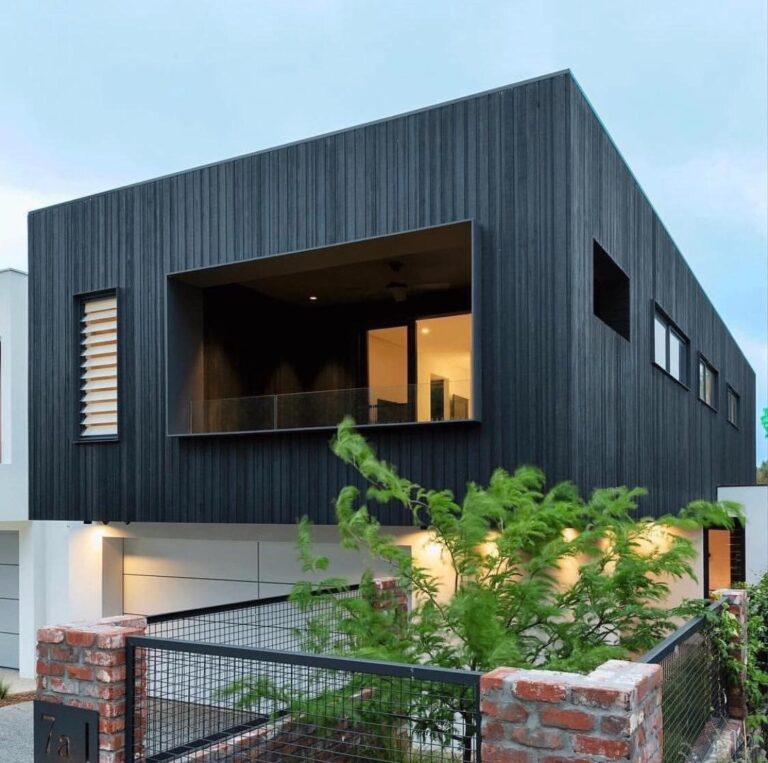
Examples include cladding, decking, boardwalks, bridges, balconies, outdoor learning environments, public realm installations and landscape structures. In many cases, the appeal lies in combining the visual qualities of timber with performance characteristics that may be beneficial in exposed conditions.
The growth of these applications also reflects a wider confidence within the construction sector. Timber is increasingly being evaluated not simply as a material choice, but as a component of long-term asset performance.
A broader specification toolkit
As timber markets continue to evolve, specifiers have access to a growing range of solutions. Naturally durable species, preservative-treated timber and modified timber products each have a role to play, depending on project requirements and performance objectives.
The increasing availability of modified timber does not replace these established approaches. Rather, it expands the range of options available to designers, contractors and clients seeking to balance durability, maintenance requirements, appearance and whole-life value.
As demand grows for exterior materials capable of delivering reliable long-term performance, modified timber is likely to remain an important part of the specification conversation.
To provide the best experiences, we use technologies like cookies to store and/or access device information. Consenting to these technologies will allow us to process data such as browsing behavior or unique IDs on this site. Not consenting or withdrawing consent, may adversely affect certain features and functions.
Functional
Always active
The technical storage or access is strictly necessary for the legitimate purpose of enabling the use of a specific service explicitly requested by the subscriber or user, or for the sole purpose of carrying out the transmission of a communication over an electronic communications network.
Preferences
The technical storage or access is necessary for the legitimate purpose of storing preferences that are not requested by the subscriber or user.
Statistics
The technical storage or access that is used exclusively for statistical purposes.The technical storage or access that is used exclusively for anonymous statistical purposes. Without a subpoena, voluntary compliance on the part of your Internet Service Provider, or additional records from a third party, information stored or retrieved for this purpose alone cannot usually be used to identify you.
Marketing
The technical storage or access is required to create user profiles to send advertising, or to track the user on a website or across several websites for similar marketing purposes.